
Hair growth can feel slow — but there are scientifically supported ways to improve hair thickness and reduce hair loss.
On average, human hair grows approximately 0.5 inches per month (around 6 inches per year). However, hair growth rate depends on genetics, hormone levels, nutrition, scalp health, and age. It is also normal to lose 50–100 hairs per day as part of the natural hair growth cycle.
If you are trying to grow hair faster or improve thinning hair, the strategies below can help strengthen hair follicles and support healthy growth.
What Helps Hair Grow Faster?
Hair grows from follicles in the scalp. Supporting scalp health, nutrition, and minimizing breakage are key factors in improving hair growth results.
Below are 9 practical, evidence-based hair growth tips.
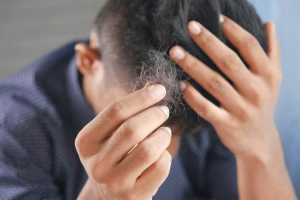
1. Trim Split Ends to Prevent Breakage
While trimming does not increase the hair growth rate at the root, it prevents split ends from traveling up the hair shaft. This reduces breakage and improves overall hair thickness appearance.
Healthier ends = fuller-looking hair.
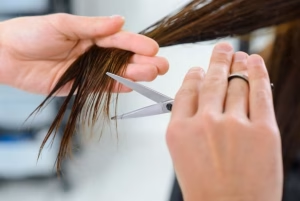
2. Eat Protein-Rich Foods to Support Keratin Production
Hair is primarily made of keratin, a structural protein. Inadequate protein intake may contribute to weak hair strands and excessive shedding.
Hair-friendly foods include:
-
Eggs
-
Salmon and oily fish
-
Lean meats
-
Beans and lentils
-
Nuts and seeds
-
Whole grains
Balanced nutrition supports long-term healthy hair growth.

3. Correct Vitamin Deficiencies That Cause Hair Loss
Certain nutrient deficiencies are linked to hair thinning.
Key nutrients for hair health:
-
Iron (deficiency is a common cause of hair loss)
-
Vitamin D
-
Zinc
-
Vitamin C
-
Omega-3 fatty acids
If hair thinning persists, consider a blood test under medical supervision.

4. Use Clinically Supported Hair Growth Treatments
Topical scalp treatments may improve circulation and support follicle activity. Look for products backed by clinical data rather than marketing claims.
If over-the-counter treatments are ineffective, you may want to explore professional options such as:

5. Apply Weekly Deep Conditioning Masks
Hydration improves elasticity and reduces hair breakage. A weekly hair mask helps strengthen damaged strands and supports scalp moisture balance.
Apply to damp hair and leave on for 5–10 minutes before rinsing.
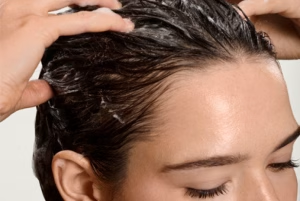
6. Handle Wet Hair Gently to Reduce Hair Breakage
Hair is most fragile when wet.
To prevent breakage:
-
Use a microfiber towel
-
Avoid aggressive rubbing
-
Detangle from ends upward
-
Apply leave-in conditioner
Reducing breakage helps maintain visible hair length.
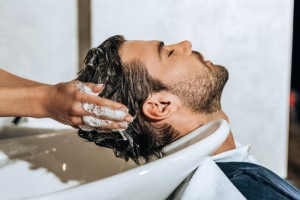
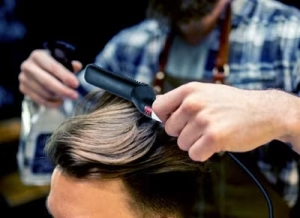
7. Minimize Heat Styling Damage
Frequent use of straighteners and curling irons weakens the hair cuticle. Always apply heat protection and use the lowest effective temperature.
Allowing hair to air dry partially can significantly reduce damage.
8. Protect Hair from Environmental Stress
Sun exposure, pollution, and cold weather can weaken hair structure.
Protective measures:
-
Wear hats in extreme weather
-
Avoid tight hairstyles
-
Rinse hair after swimming
Scalp protection is essential for healthy hair follicles.

9. Improve Scalp Circulation Before Bed
Gentle brushing distributes natural oils and supports scalp stimulation. Avoid over-brushing, as it may weaken strands.
Using silk pillowcases can reduce friction and prevent overnight hair breakage.

When to Consider Medical Treatment for Hair Loss
If you are experiencing:
-
Sudden or excessive hair shedding
-
Noticeable thinning at the crown or hairline
-
Family history of pattern baldness
Lifestyle changes alone may not be enough.
You may benefit from a professional assessment to determine whether you are experiencing androgenetic alopecia, telogen effluvium, or another condition.
Book a Professional Hair Loss Consultation
If you are concerned about hair thinning or slow hair growth, early diagnosis leads to better outcomes.
At The Hair Transplant Hub, our specialists provide personalized treatment plans based on scalp analysis and medical history.
Book your consultation today to explore your options for restoring thicker, healthier hair.