
Female hair restoration · UK, 2026
9 min readThe quiet
conversation about
women's hair loss.
One in three women will experience it. Almost none of them are told what their options actually are. Here's the honest version — causes, candidacy, and what a female FUE transplant really involves.
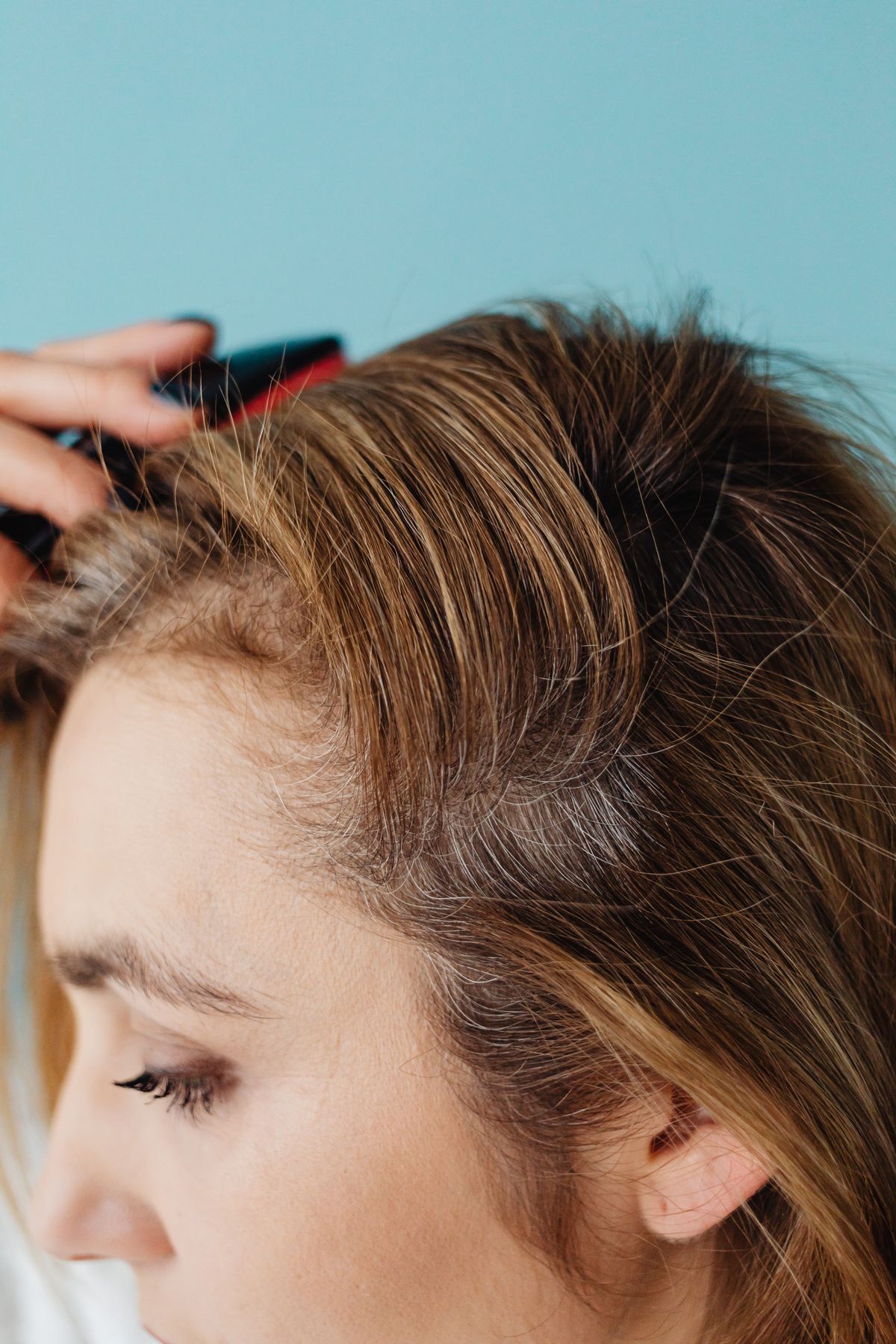 Healthy density, restored — not just imagined
Why this matters
Hair loss isn't a men's issue. It affects an estimated one in three women at some point in their lives — yet it's rarely discussed with the same openness, and most women assume a transplant simply isn't built for them. It is. For the right candidate, it's one of the most effective, permanent solutions available.
Why women lose hair
05 common causesFemale pattern hair loss
Genetic thinning along the central part that gradually worsens with age — the most common cause we see.
Hormonal shifts
Pregnancy, menopause, thyroid conditions and PCOS can all trigger noticeable shedding.
Traction alopecia
Thinning caused by tight ponytails, braids or extensions pulling on the follicle over years.
Telogen effluvium
Temporary, sometimes prolonged shedding triggered by stress, illness or rapid weight change.
Scarring alopecia
Permanent follicle damage from autoimmune conditions or previous cosmetic procedures.
Women will experience meaningful hair loss at some point in their lives — most without ever being told a transplant is a realistic option for them.
Source · British Association of Dermatologists
Am I a good candidate?
self-assessmentLikely a strong candidate
- Your hair loss follows a stable, identifiable pattern rather than diffuse shedding across the whole scalp.
- You have a healthy donor area — usually the back or sides of the scalp — with good density.
- Your hair loss has plateaued rather than being in an active, rapidly progressing phase.
- Non-surgical treatments haven't given you the density you're after.
Worth investigating further first
- Your shedding is diffuse and scalp-wide, with no strong donor area to draw from.
- You're in an active flare of telogen effluvium, which often resolves on its own.
- Hormonal or thyroid imbalances haven't yet been assessed by a GP.
- You haven't had a scalp and donor-density assessment yet — start there.
How it differs from a male transplant
technique & designThe growth timeline
day 1 → month 18
Common questions
04 answeredCan I get a transplant without a receding hairline?
Yes. Most female patients have thinning at the crown or part line rather than a receding hairline, and treatment is tailored to add density in exactly those zones.
Will I need to shave my head?
Not necessarily. Unshaven or partial-shave FUE is commonly used for women specifically to avoid a full shave and let you return to normal life sooner.
How long before I can style my hair normally again?
Most patients can gently style hair to cover the area within 1–2 weeks. Full styling flexibility tends to return once grafts are firmly settled, usually around 3–4 weeks.
Is the procedure painful?
It's performed under local anaesthetic, so discomfort during the procedure itself is minimal. Read more in our guide on what a hair transplant actually feels like.
Next step
Start with an honest assessment.
No pressure, no upsell — just a clear look at your scalp, your donor area, and what's actually realistic for you.