Hair loss affects people in different ways. Some notice a gradually receding hairline, while others experience thinning around the crown, widening partings or more general reductions in hair density.
Although hair transplantation has become an increasingly popular option for addressing permanent hair loss, it is not suitable for everyone.
Before considering hair transplant surgery in Romford, Essex, it is important to understand why your hair is falling out, whether the condition is permanent and whether you have sufficient healthy donor hair.
A professional assessment can help determine whether surgery is appropriate or whether another treatment approach should be considered first.
Understanding the Different Causes of Hair Loss
Hair loss is not a single condition. Several factors can contribute to changes in hair growth, and identifying the underlying cause is essential.
- Male Pattern Baldness
Male pattern baldness, medically known as androgenetic alopecia, is one of the most common causes of hair loss in men.
It is influenced by genetic and hormonal factors and generally develops gradually.
Common signs include:
- A receding hairline.
- Thinning around the temples.
- A bald patch developing on the crown.
- Gradual reduction in overall hair density.
The condition can begin in early adulthood and progress over many years.
- Female Pattern Hair Loss
Female pattern hair loss commonly involves gradual thinning across the top of the scalp.
Women may notice a widening parting, reduced hair volume or increased visibility of the scalp.
Unlike typical male pattern baldness, the frontal hairline is often maintained.
The causes can be complex, so appropriate medical assessment is particularly important before considering surgical treatment.
- Temporary Hair Shedding
Not all hair loss is permanent.
Some people experience increased shedding after illness, major stress, surgery, childbirth, rapid weight loss or other physical changes.
This type of hair loss may improve once the underlying trigger resolves.
A transplant is generally not the first treatment for temporary shedding because the hair may recover naturally.
- Medical and Scalp Conditions
Certain medical conditions can also affect hair growth.
Examples include alopecia areata, inflammatory scalp disorders, infections, nutritional deficiencies and hormonal imbalances.
Some conditions can cause permanent damage to follicles, while others may be reversible with appropriate treatment.
This is why diagnosing the cause of hair loss should come before discussing surgery.
American Academy of Dermatology
+1
What Makes Someone Suitable for a Hair Transplant?
A suitable candidate usually has a type of permanent hair loss that can be addressed through transplantation.
However, several factors need to be assessed.
Healthy donor hair
Hair transplantation moves existing follicles rather than creating new ones.
The donor area, usually the back and sides of the scalp, must contain enough suitable follicles to provide coverage without making the donor region appear excessively thin.
Stable or predictable hair loss
Your current hair-loss pattern and likely future progression are important considerations.
If significant hair loss is still developing, the surgeon must consider how the transplanted hair will look as surrounding natural hair continues to change.
Overall health
Your medical history, medications, scalp health and any underlying conditions can influence whether surgery is appropriate.
Realistic expectations
A hair transplant can improve the appearance of thinning or bald areas, but it cannot always restore your original density.
The available donor hair places natural limitations on the result.
Why Is a Hair Loss Assessment Important?
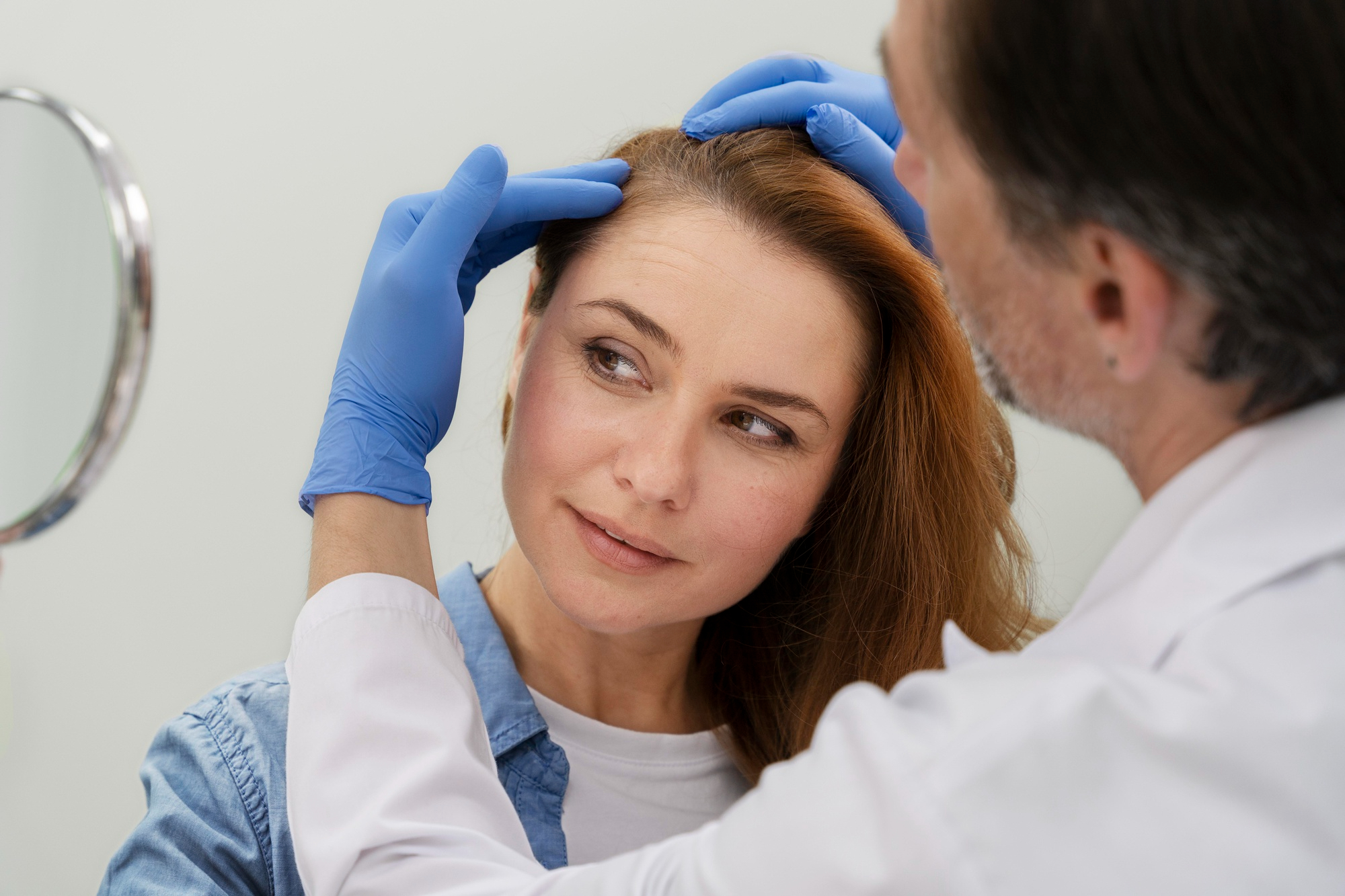
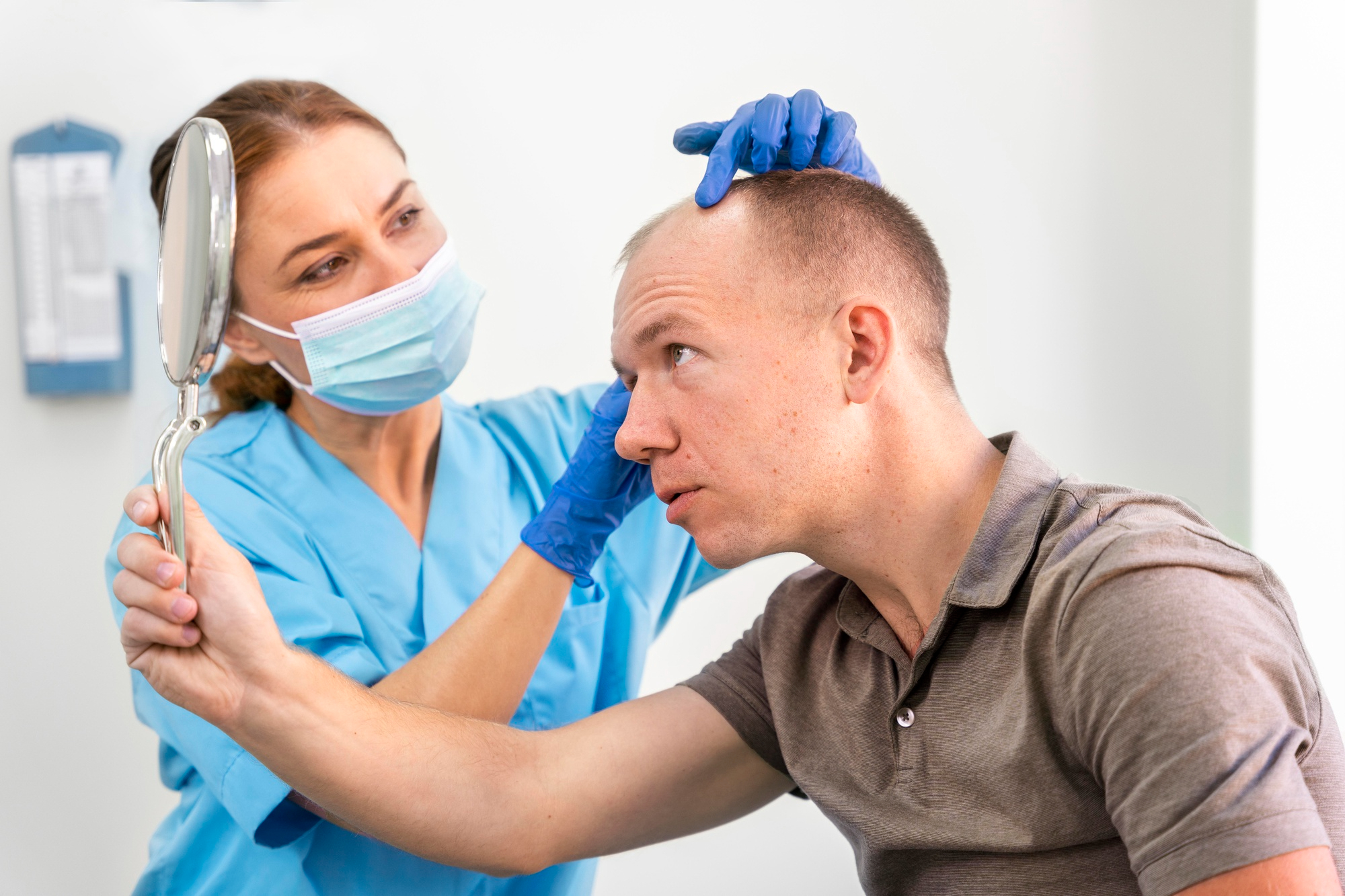
A detailed consultation helps establish what is happening to your hair and whether surgery is a sensible option.
An assessment may involve:
- Discussing your hair-loss history.
- Reviewing family history.
- Examining your scalp.
- Assessing donor hair density.
- Identifying possible medical causes.
- Reviewing previous treatments.
- Discussing your desired outcome.
Depending on your symptoms, additional investigations such as blood tests or a scalp biopsy may be appropriate.
The American Academy of Dermatology highlights the importance of identifying the cause of hair loss before selecting treatment.
Should You Try Non-Surgical Treatments First?
In some cases, non-surgical treatment may be more appropriate than surgery.
Depending on the diagnosis, treatment options may include:
Minoxidil
Minoxidil is a commonly used treatment for certain types of hereditary hair loss. It may help slow thinning or encourage regrowth in suitable patients.
Finasteride
Finasteride may be prescribed for appropriate patients with male pattern hair loss. Potential benefits and side effects should be discussed with a qualified healthcare professional.
Platelet-Rich Plasma (PRP)
PRP involves processing a small sample of blood to obtain platelet-rich plasma, which is then injected into selected scalp areas.
It is used in some hair restoration settings, although treatment protocols and evidence of effectiveness vary.
Lifestyle and nutritional assessment
Addressing nutritional deficiencies, excessive stress and other contributing factors may help in certain cases.
Supplements should not be taken indiscriminately. A healthcare professional can advise whether testing or supplementation is necessary.
When Might a Hair Transplant Not Be Recommended?
Surgery may not be appropriate when hair loss is temporary, rapidly progressing or caused by an untreated medical condition.
It may also be unsuitable when the donor area does not contain enough healthy follicles to achieve a meaningful improvement.
People with certain inflammatory or scarring scalp conditions may require specialist assessment before surgery is considered.
An ethical treatment recommendation should explain when transplantation is unlikely to provide a worthwhile result.
Planning for Long-Term Hair Restoration
One of the biggest mistakes people make is focusing exclusively on their current bald areas.
Hair loss can continue after surgery, affecting the surrounding natural hair.
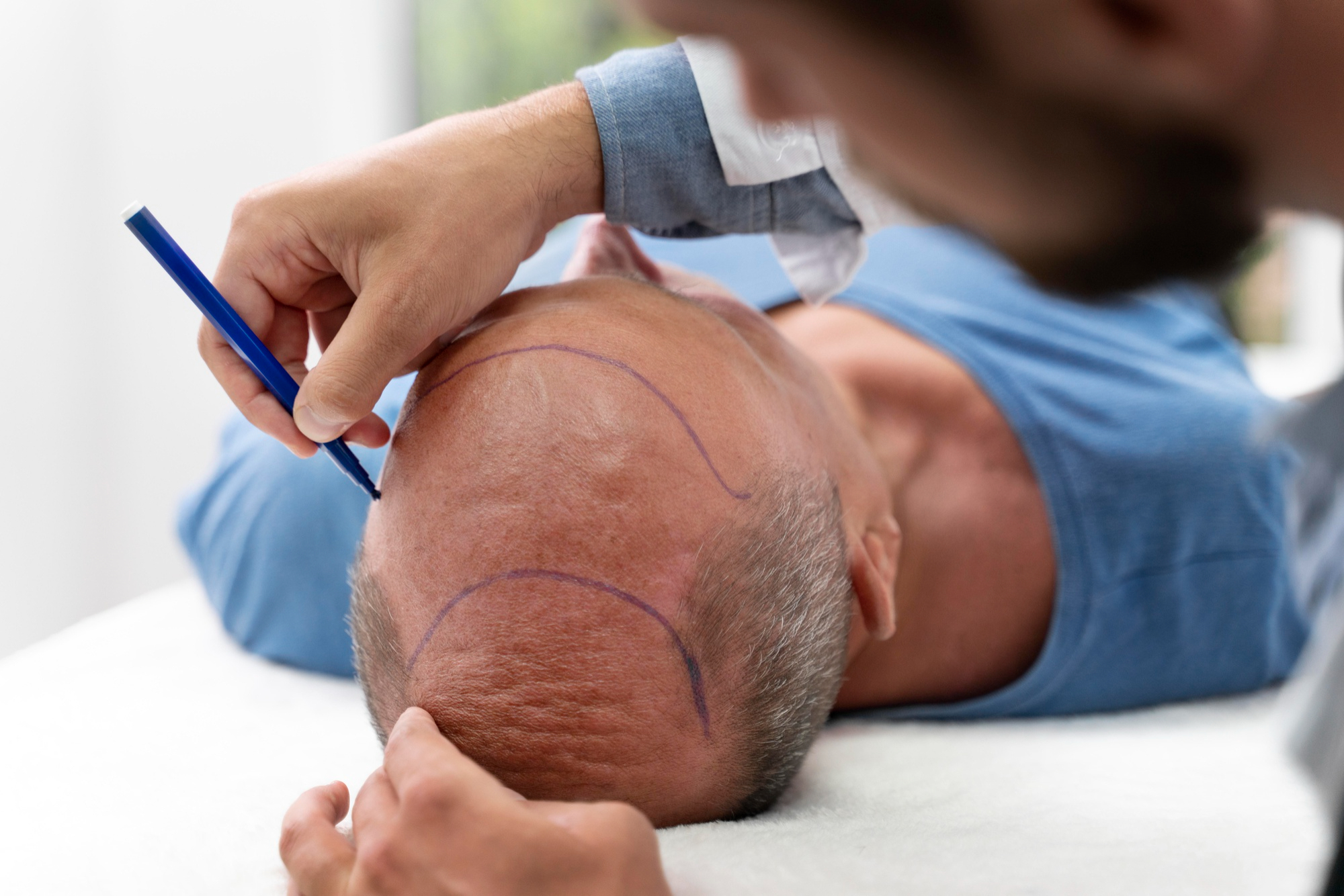
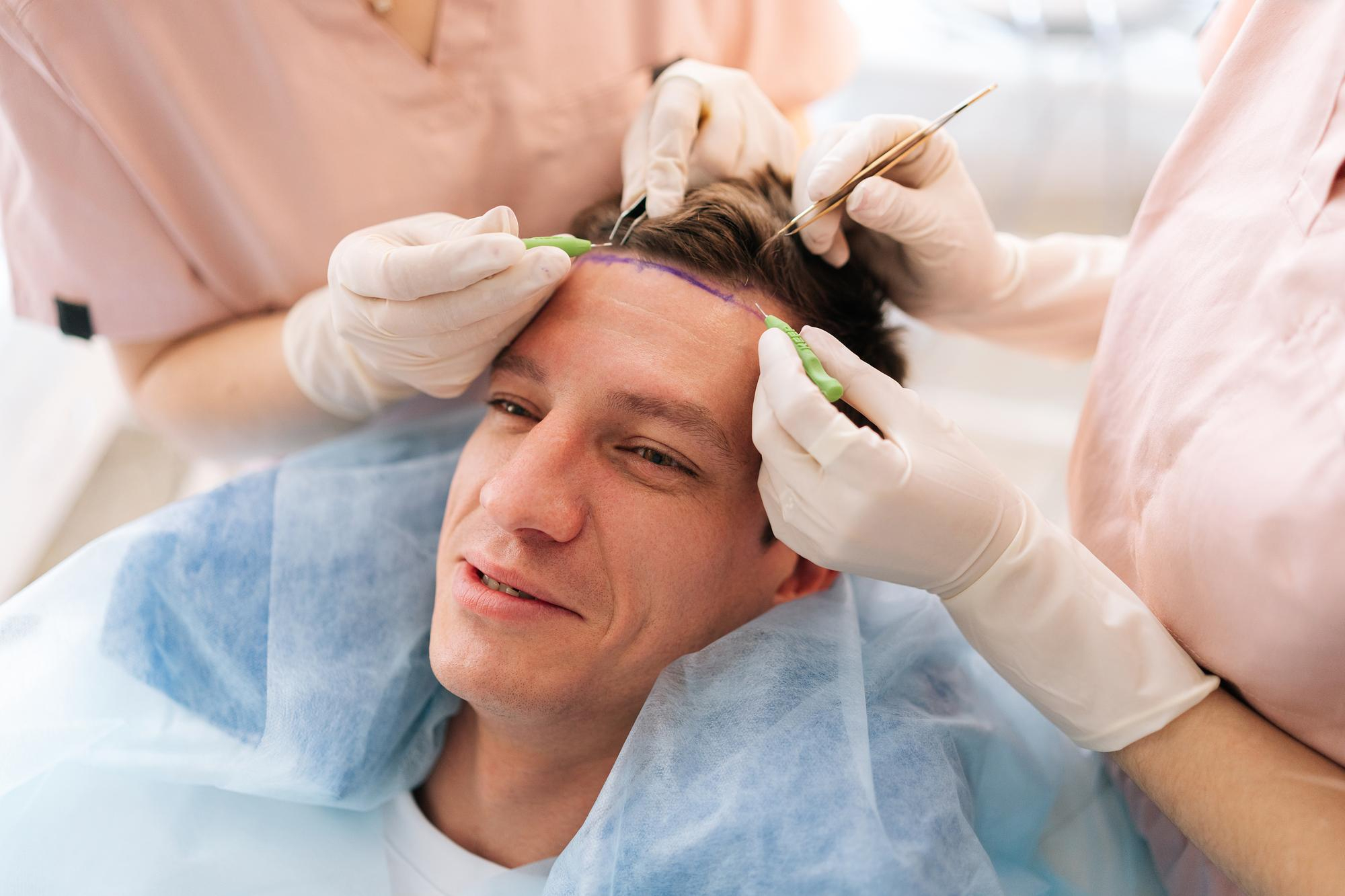
For example, someone who receives a hairline transplant at a young age may continue losing hair behind the transplanted area.
A carefully designed plan should therefore consider age, family history, donor supply and potential future thinning.
This approach helps avoid an unnatural appearance as the years pass.
Conclusion
A hair transplant can be an effective option for suitable individuals experiencing permanent hair loss, but successful treatment begins with an accurate diagnosis.
Understanding your hair-loss pattern, evaluating donor hair and discussing realistic expectations are essential steps before surgery.
If you are exploring hair restoration in Romford, Essex, arrange a professional consultation to establish the cause of your hair loss and identify the most appropriate treatment options.
The right decision is not always surgery. It is the treatment approach that best supports your long-term scalp health and restoration goals.