Hair loss is often associated with men, but women can experience significant thinning and hair shedding throughout different stages of life.
For many women, changes in hair density can be particularly distressing because hair plays an important role in personal appearance and confidence.
A widening parting, thinning around the crown or a reduction in overall volume can develop gradually, making it difficult to identify when professional advice is needed.
Fortunately, several treatment options are available, and hair transplantation may be appropriate for selected women.
If you are researching hair restoration in Romford, Essex, understanding the causes of female hair loss and the available treatments is an important first step.
Understanding Female Pattern Hair Loss
Female pattern hair loss is a common form of progressive thinning.
Unlike the typical receding hairline associated with male pattern baldness, women often experience a gradual reduction in density across the top of the scalp.
Common signs include:
- A widening central parting.
- Reduced hair volume.
- Increased visibility of the scalp.
- Thinning around the crown.
- Gradual changes in ponytail thickness.
The condition can develop with age and may be influenced by genetic and hormonal factors.
However, not all female hair loss is hereditary, which is why identifying the underlying cause is essential.
What Causes Hair Loss in Women?
Several factors can contribute to female hair thinning.
- Hormonal Changes
Hormonal changes during pregnancy, after childbirth and around menopause can affect the hair-growth cycle.
Some women notice increased shedding several months after giving birth.
This is often temporary, although individual experiences vary.
- Genetic Factors
Female pattern hair loss can run in families.
Women may notice gradual thinning even when they have no other obvious health concerns.
- Nutritional Deficiencies
Low levels of certain nutrients, including iron, can contribute to hair loss in some individuals.
A healthcare professional may recommend blood tests when a deficiency is suspected.
- Thyroid Conditions
Changes in thyroid function can affect normal hair growth.
If hair loss occurs alongside other symptoms, medical investigation may be appropriate.
- Stress and Physical Illness
Significant physical or emotional stress can trigger increased hair shedding.
This may occur after surgery, severe illness or substantial weight changes.
- Scalp Conditions
Inflammatory conditions and certain types of alopecia can affect the follicles and lead to thinning or permanent hair loss.
The American Academy of Dermatology recommends investigating the cause before deciding on treatment because different forms of hair loss require different approaches.
Can Women Have Hair Transplants?
Yes, some women may be suitable candidates for hair transplantation.
However, female hair restoration requires careful assessment because hair loss patterns and donor characteristics can differ considerably.
A transplant may be considered when:
- Hair loss is permanent and appropriately diagnosed.
- The donor area contains sufficient healthy follicles.
- The scalp condition is suitable for surgery.
- The expected outcome is realistic.
- Other medical causes have been investigated.
Some women experience diffuse thinning across the entire scalp, including the donor area. In these circumstances, transplantation may not provide an appropriate result.
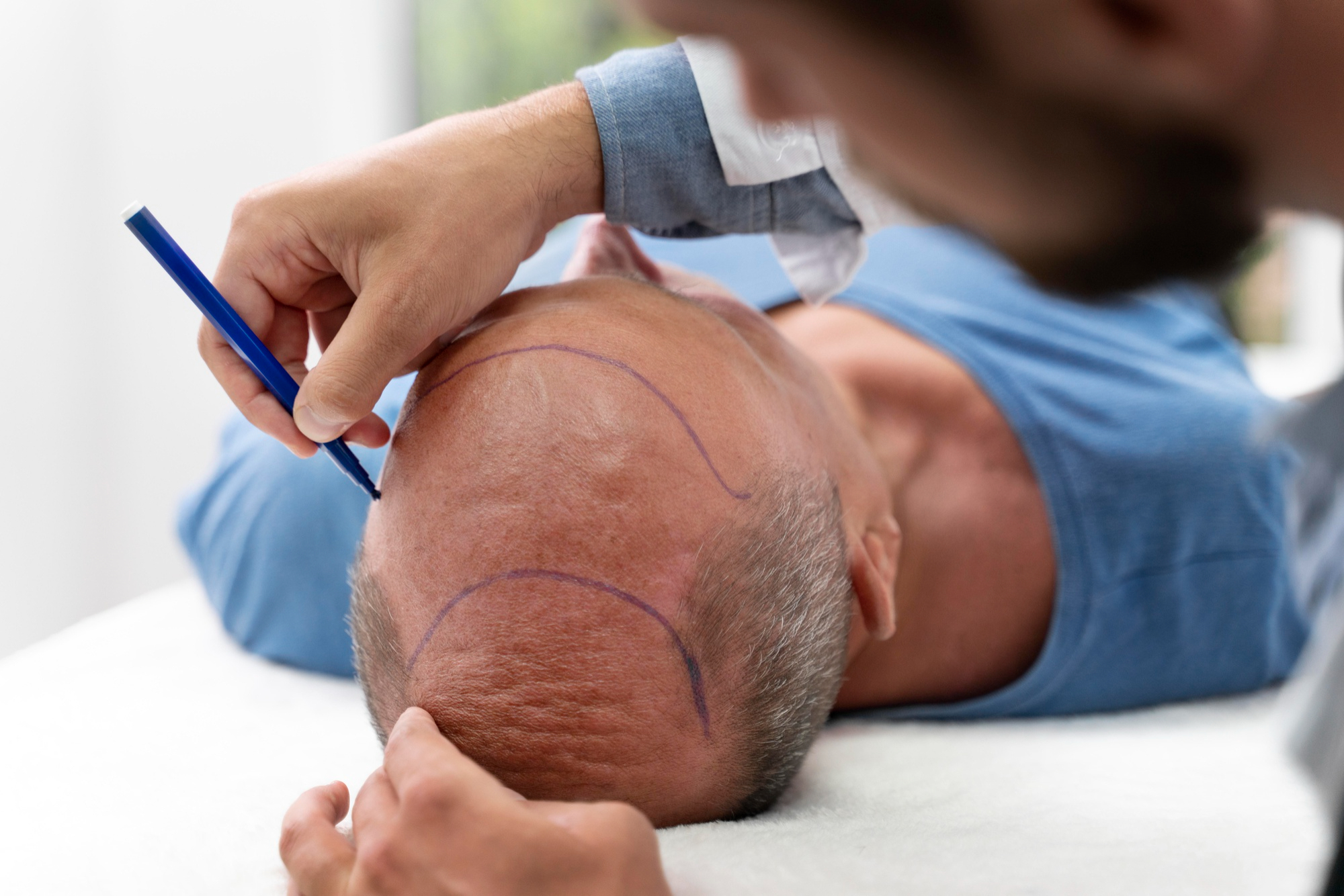
A surgeon must evaluate the distribution and quality of available donor hair before recommending treatment.
Which Hair Transplant Technique Is Suitable for Women?
FUE and FUT are two established methods used in hair transplantation.
FUE Hair Transplant
FUE involves removing individual follicular units from the donor area.
The technique avoids removing a strip of scalp and leaves small individual scars.
It may be considered for women who have suitable donor characteristics and prefer this extraction approach.
FUT Hair Transplant
FUT involves removing a strip of hair-bearing scalp and separating it into individual grafts.
It leaves a linear scar in the donor area, which is generally concealed by surrounding hair.
The appropriate technique depends on the individual’s donor density, hairstyle preferences, scalp characteristics and treatment requirements.
There is no universal recommendation for all women.
Non-Surgical Hair Restoration Options
Hair transplantation is not always the first or most appropriate treatment.
Depending on the cause of thinning, non-surgical approaches may be considered.
Minoxidil
Topical minoxidil is commonly used for certain forms of female pattern hair loss.
It may help slow thinning and improve hair density in suitable patients.
Medical Assessment
If a nutritional deficiency, thyroid condition or other medical issue is identified, addressing that condition may help improve hair health.
PRP Treatment
Platelet-rich plasma is offered by some hair restoration providers. It involves injecting processed plasma into selected scalp areas.
Although research suggests potential benefits for certain patients, results and treatment protocols vary.
Hair Care Adjustments
Avoiding excessive heat, tight hairstyles and unnecessary chemical treatments may help reduce preventable hair damage and breakage.
The correct treatment should be based on the underlying diagnosis rather than relying on products marketed as universal hair-growth solutions.
What Happens During a Female Hair Transplant Consultation?
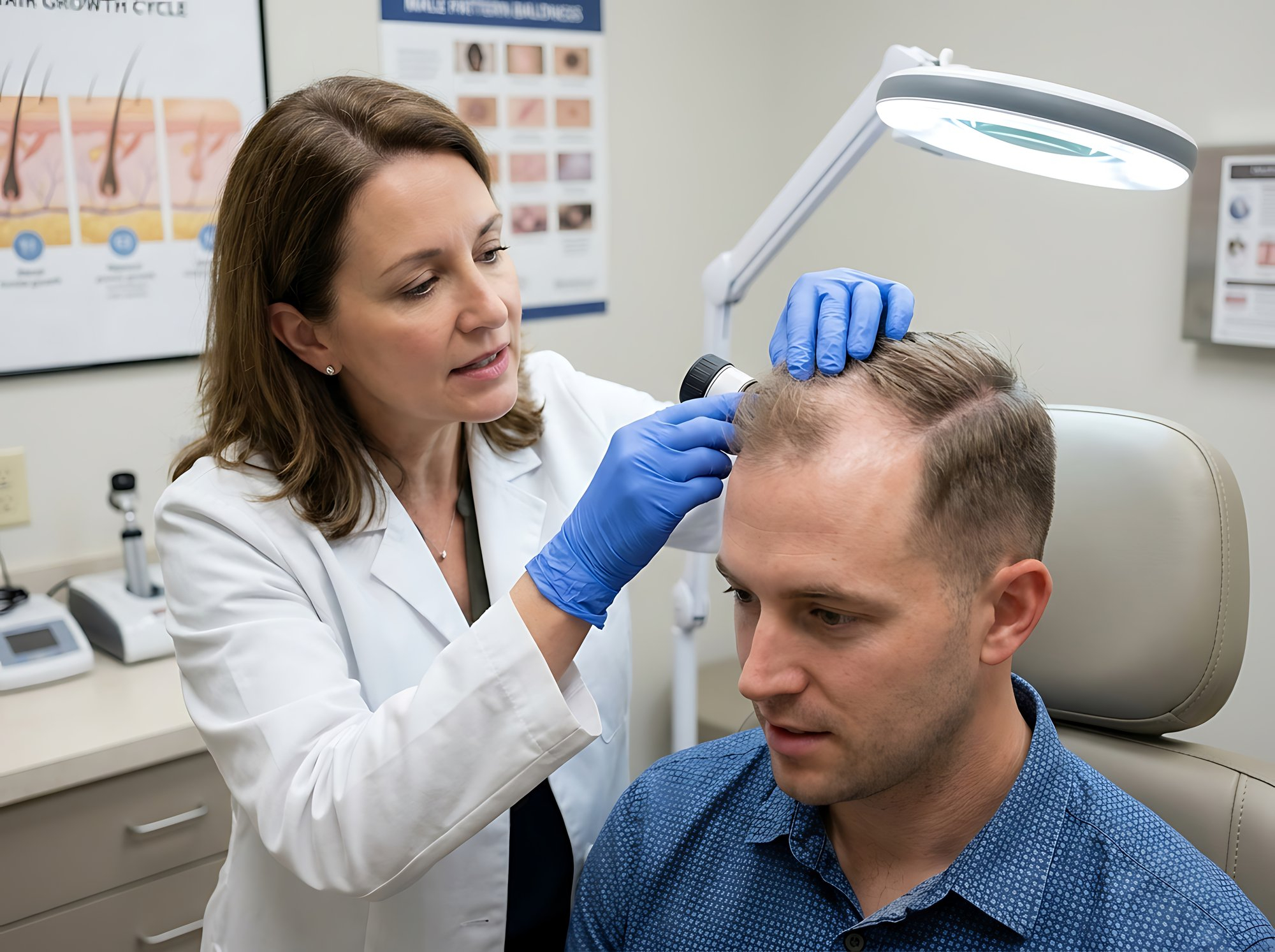
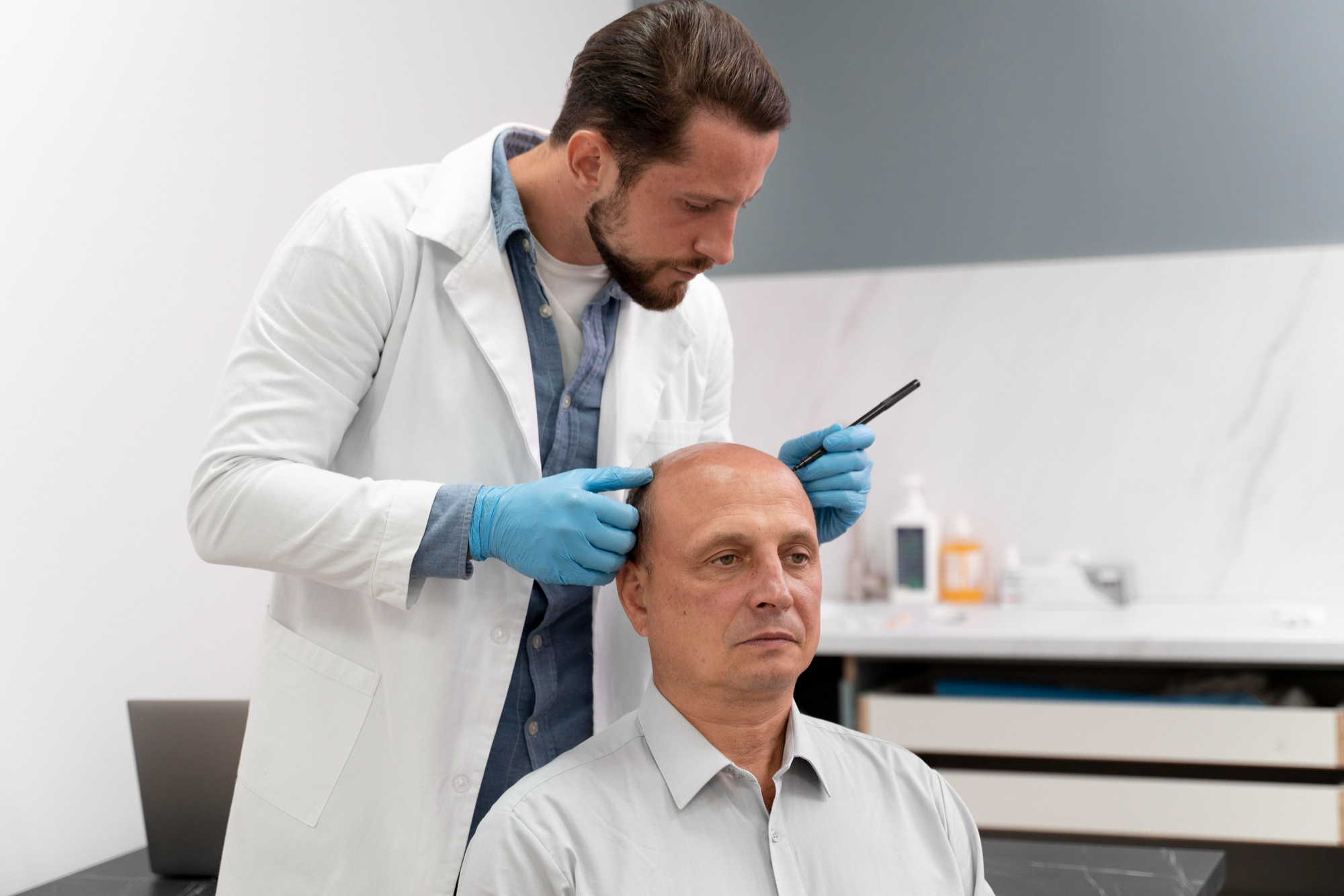
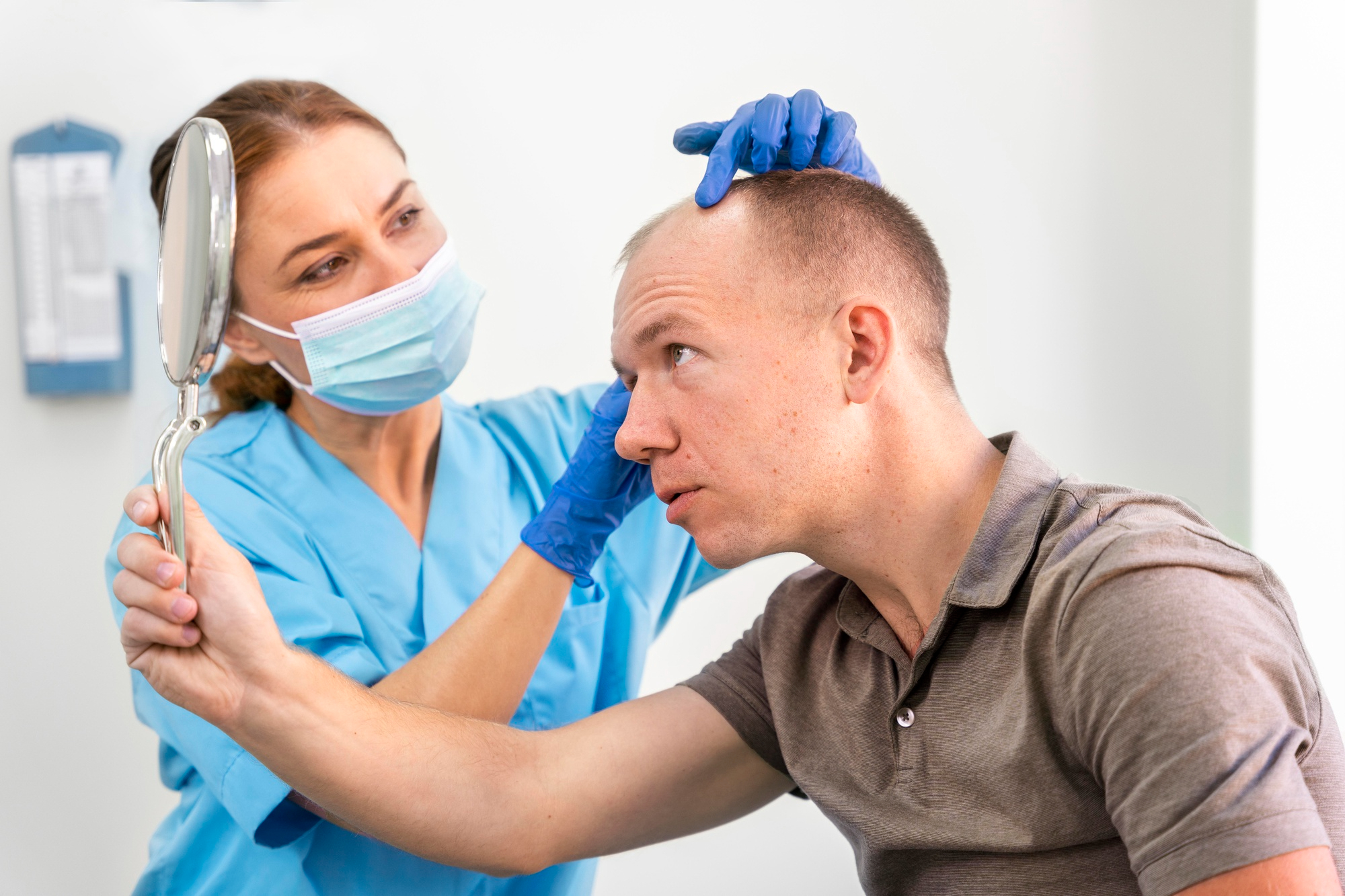
A detailed consultation should explore your medical and hair-loss history.
The assessment may include:
- Reviewing when your hair loss started.
- Identifying whether thinning is localised or widespread.
- Examining your scalp and donor area.
- Discussing family history.
- Reviewing medications and previous treatments.
- Considering additional medical investigations.
- Discussing realistic restoration goals.
The surgeon should explain whether transplantation is suitable or whether another approach would be more beneficial.
What Results Can Women Expect?
Hair transplantation produces gradual results.
Initially, transplanted hair may shed before new growth begins.
Visible improvements generally develop over several months, and final results may take around 10 to 18 months.
The final appearance depends on donor hair quality, graft survival, scalp characteristics and the underlying hair-loss condition.
It is also important to understand that transplanted follicles do not prevent unrelated or ongoing hair loss in surrounding areas.
Long-term management may therefore be recommended.
Why Choose a Personalised Hair Restoration Plan?
Every woman’s hair-loss journey is different.
Some may experience temporary shedding, while others have hereditary thinning or a more complex scalp condition.
A personalised approach helps ensure that treatment is appropriate for the diagnosis, available donor hair and individual expectations.
For women considering hair transplant surgery in Romford, Essex, professional assessment should always come before making a decision about surgery.
Conclusion
Female hair loss can have several causes, and identifying the underlying condition is essential before choosing treatment.
Although hair transplantation may offer an option for selected women with suitable donor hair and permanent hair loss, it is not appropriate for every patient.
Understanding FUE, FUT and non-surgical treatments can help you make an informed decision.
A professional consultation is the best starting point for exploring suitable hair restoration options and developing a treatment plan that supports your long-term hair health.