Choosing a hair transplant clinic is one of the most important decisions you will make when considering hair restoration.
With numerous clinics advertising modern procedures, competitive prices and impressive before-and-after photographs, it can be difficult to understand which provider is right for you.
However, hair transplantation is a surgical procedure, not simply a cosmetic service. The experience and qualifications of the medical professional, the quality of the assessment and the standard of aftercare can all influence your experience.
If you are considering a hair transplant in Romford, Essex, taking time to research your options can help you make a more confident and informed decision.
Here are ten important factors to consider before choosing a hair restoration clinic.
1. Check the Surgeon’s Qualifications
Your first priority should be understanding who will be responsible for your treatment.
Check the surgeon’s medical qualifications, professional registration and experience in hair restoration surgery.
In the UK, doctors should be registered with the General Medical Council (GMC), with the appropriate licence to practise.
You can also investigate relevant professional memberships, including the British Association of Hair Restoration Surgery.
Do not assume that someone advertising a hair transplant service is necessarily the person qualified to perform the surgical procedure.
2. Understand Who Will Perform the Procedure
A hair transplant involves several important surgical stages.
These may include:
- Medical assessment.
- Donor-area evaluation.
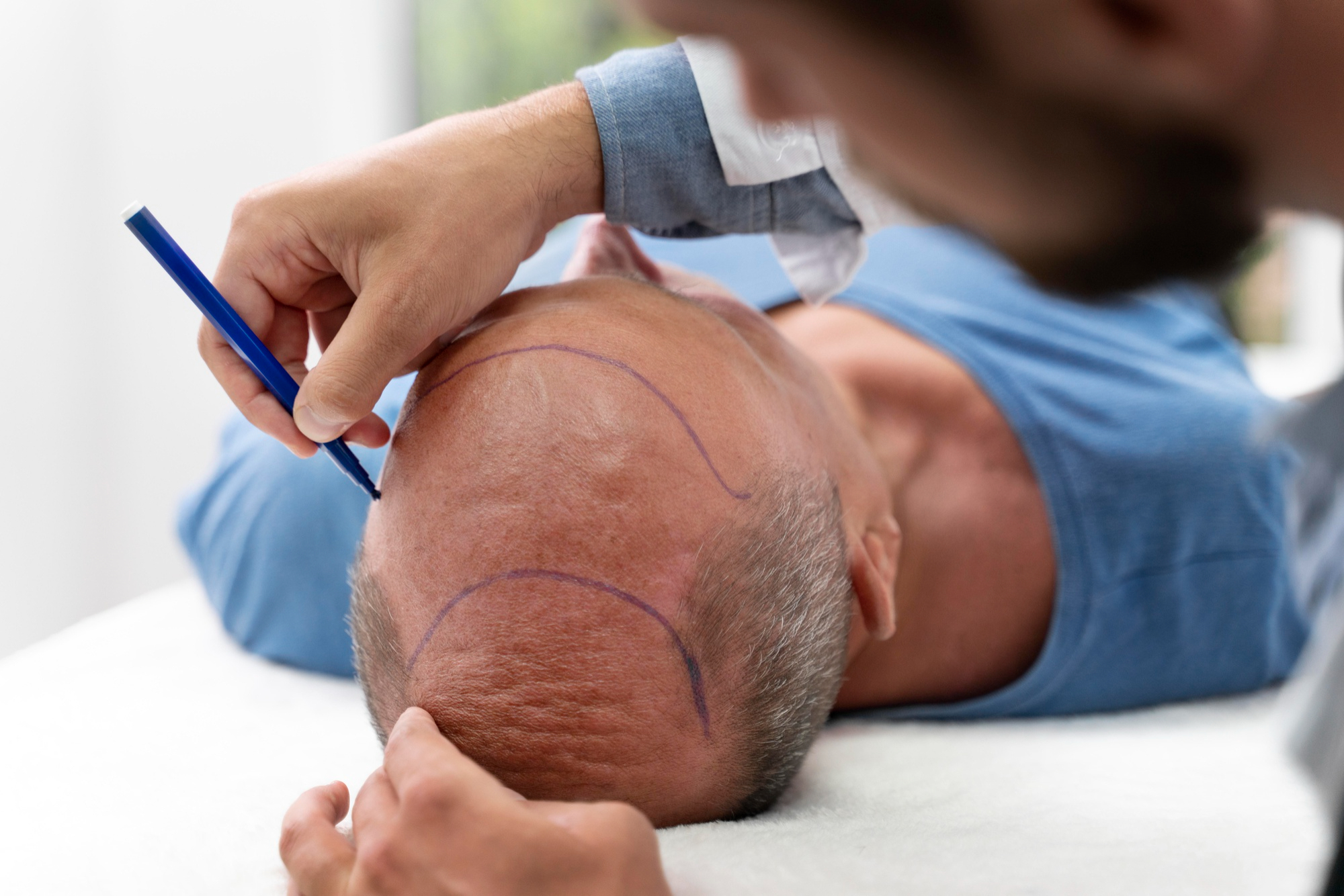
- Hairline design.
- Graft extraction.
- Recipient-site preparation.
- Graft placement.
- Post-operative assessment.
Ask the clinic exactly who will carry out each stage.
The International Society of Hair Restoration Surgery advises patients to establish whether a properly trained and licensed physician will be responsible for the surgical aspects of treatment.
You should receive clear answers rather than vague assurances about an experienced team.
3. Check the Clinic’s Registration
If you are considering surgery in England, check whether the relevant clinic or hospital is registered with the Care Quality Commission (CQC) where registration is required.
The CQC regulates health and social care services in England and provides information about registered providers.
You can use its website to check registration details and published inspection information.
This is an important part of researching any cosmetic surgery provider.
4. Look at Realistic Before-and-After Results
Patient photographs can help you understand the type of results a clinic has achieved.
However, it is important to examine them carefully.
Look for:
- Consistent lighting and camera angles.
- Clear photographs before and after surgery.
- Examples involving similar hair-loss patterns.
- Results photographed after sufficient growth time.
- Images showing both donor and recipient areas.
Be cautious of photographs that appear heavily edited or provide no information about the procedure or timeline.
Remember that results vary between individuals, and another patient’s outcome cannot guarantee your own.
5. Understand the Different Hair Transplant Techniques
A reputable provider should explain the differences between FUE and FUT.
FUE involves extracting individual follicular units from the donor area.
FUT involves removing a strip of scalp and separating the follicles for transplantation.
Both methods have advantages and limitations.
The best technique depends on your donor hair, scalp characteristics, restoration goals and long-term hair-loss pattern.
Be cautious if a clinic insists that one method is automatically suitable for every patient.
6. Expect a Detailed Consultation
A proper consultation should involve more than discussing the price of a procedure.
The surgeon should assess your scalp, understand your medical history and evaluate the donor area.
You should also have the opportunity to explain your concerns and expectations.
A suitable consultation may cover:
- The cause and progression of your hair loss.
- Your suitability for transplantation.
- Estimated graft requirements.
- Expected coverage and density.
- Potential complications.
- Alternative treatment options.
- Recovery expectations.
- Long-term hair management.
The NHS recommends researching qualifications, surgical experience and follow-up arrangements before choosing a hair transplant provider.
7. Avoid Clinics That Promise Guaranteed Results
No responsible clinic should promise a completely guaranteed outcome.
Hair transplantation involves surgery, and individual healing and graft survival can vary.
A clinic should explain the potential benefits and limitations of treatment.
You should also receive information about possible complications, including infection, bleeding, scarring and unsatisfactory growth.
Be especially cautious of marketing claims such as scar-free surgery or guaranteed full hair restoration.
All hair transplant procedures produce some form of scarring, even when the scars are small.
8. Understand the Full Cost of Treatment
Hair transplant prices can vary depending on several factors.
These include:
- The number of grafts required.
- The surgical technique.
- The complexity of the procedure.
- The clinic and surgical team’s experience.
- The level of follow-up care.
Do not make your decision based exclusively on the cheapest advertised package.
Ask for a clear breakdown of what the quoted price includes.
You should understand whether consultations, medication, aftercare and follow-up appointments are included or charged separately.
9. Ask About Recovery and Aftercare
Aftercare is an essential part of hair transplant surgery.
The clinic should provide written instructions covering scalp washing, sleeping positions, physical activity and protection of the transplanted area.
You should also know who to contact if you experience unexpected symptoms.
Ask about the follow-up schedule and whether you will have access to the medical team during recovery.
A clinic’s responsibilities should not end when the procedure is completed.
10. Consider Long-Term Hair Restoration Planning
One of the most important considerations is what happens to your natural hair after surgery.
A hair transplant moves existing follicles but does not stop hereditary hair loss in untreated areas.
This means your surrounding hair may continue thinning over time.
A responsible surgeon should consider your age, donor supply, family history and likely future hair-loss progression.
You may also need to discuss medical treatments that could help maintain your existing hair.
Planning for the future can help reduce the risk of an unbalanced appearance later.
Why Consider a Hair Transplant Consultation in Romford, Essex?
For people living in and around Romford, choosing a conveniently located clinic can make consultations and follow-up appointments easier.
However, location should never be the only deciding factor.
Prioritise professional qualifications, transparent treatment advice, appropriate medical assessment and clear aftercare arrangements.
Take time to compare your options and ask questions before making a commitment.
Conclusion
Choosing the right hair transplant clinic requires careful research and an understanding of what quality medical care should involve.
From checking surgeon qualifications and CQC registration to understanding FUE and FUT, every step helps you make a more informed decision.
If you are researching hair transplant surgery in Romford, Essex, start with a professional consultation and ask detailed questions about suitability, surgical responsibilities, realistic results and aftercare.
The best clinic is not necessarily the one making the biggest promises. It is the one that provides clear medical advice, realistic expectations and an appropriate treatment plan based on your individual needs.