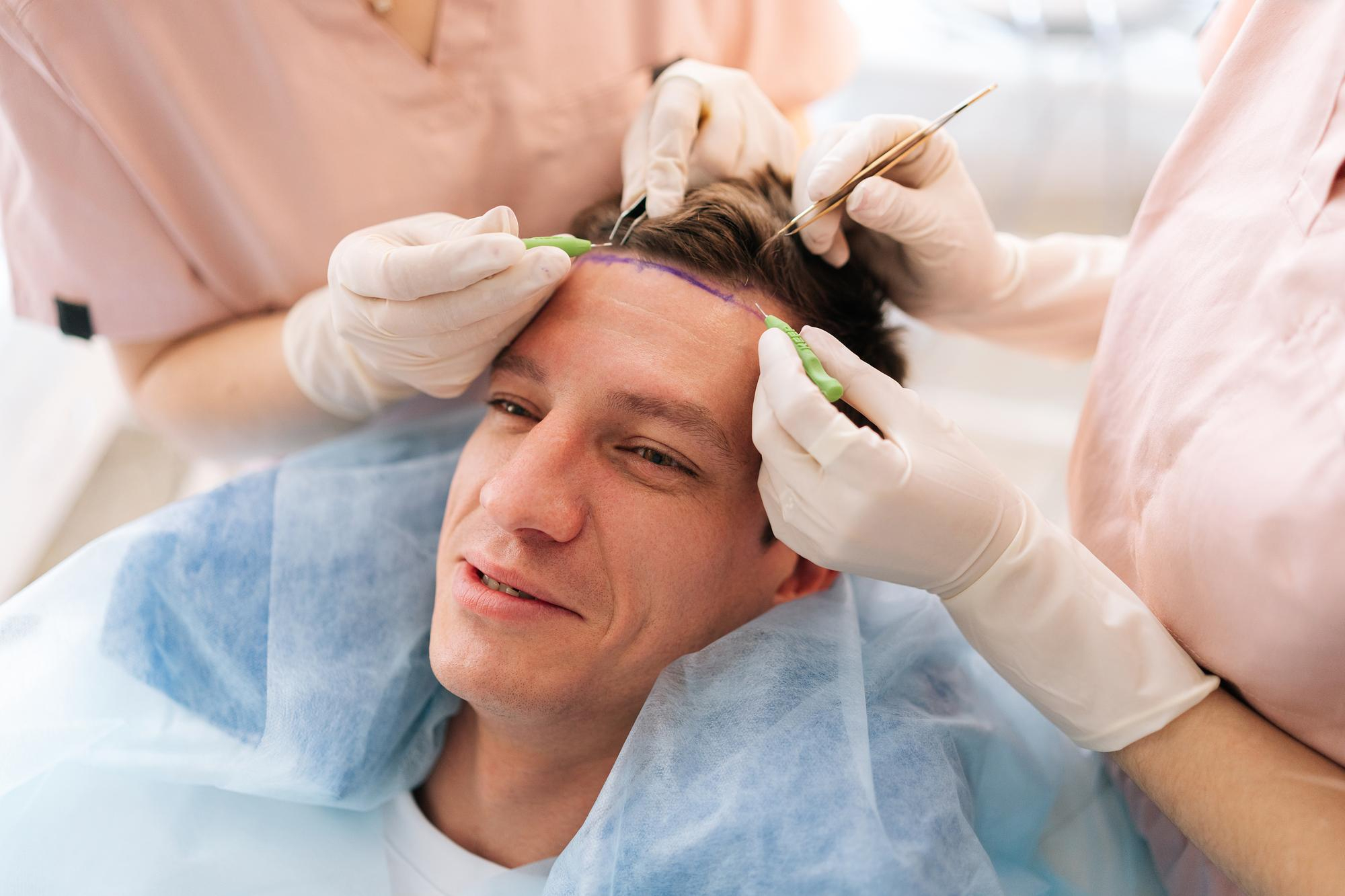
Hair loss can affect more than your appearance. For many people, a receding hairline, thinning crown or noticeable bald patches can influence confidence and self-esteem. Fortunately, modern hair transplant surgery offers effective options for people experiencing permanent hair loss. Two of the most established techniques are Follicular Unit Extraction (FUE) and Follicular Unit Transplantation (FUT).
If you are considering a hair transplant in Romford, Essex, understanding the differences between these procedures can help you make a more informed decision. Although both techniques involve transferring healthy hair follicles from one area of the scalp to another, they differ in how the follicles are collected, the recovery process and the type of scarring they leave behind.
What Is an FUE Hair Transplant?
Follicular Unit Extraction, commonly known as FUE, is a minimally invasive hair restoration technique in which individual follicular units are removed from the donor area, usually at the back or sides of the scalp.
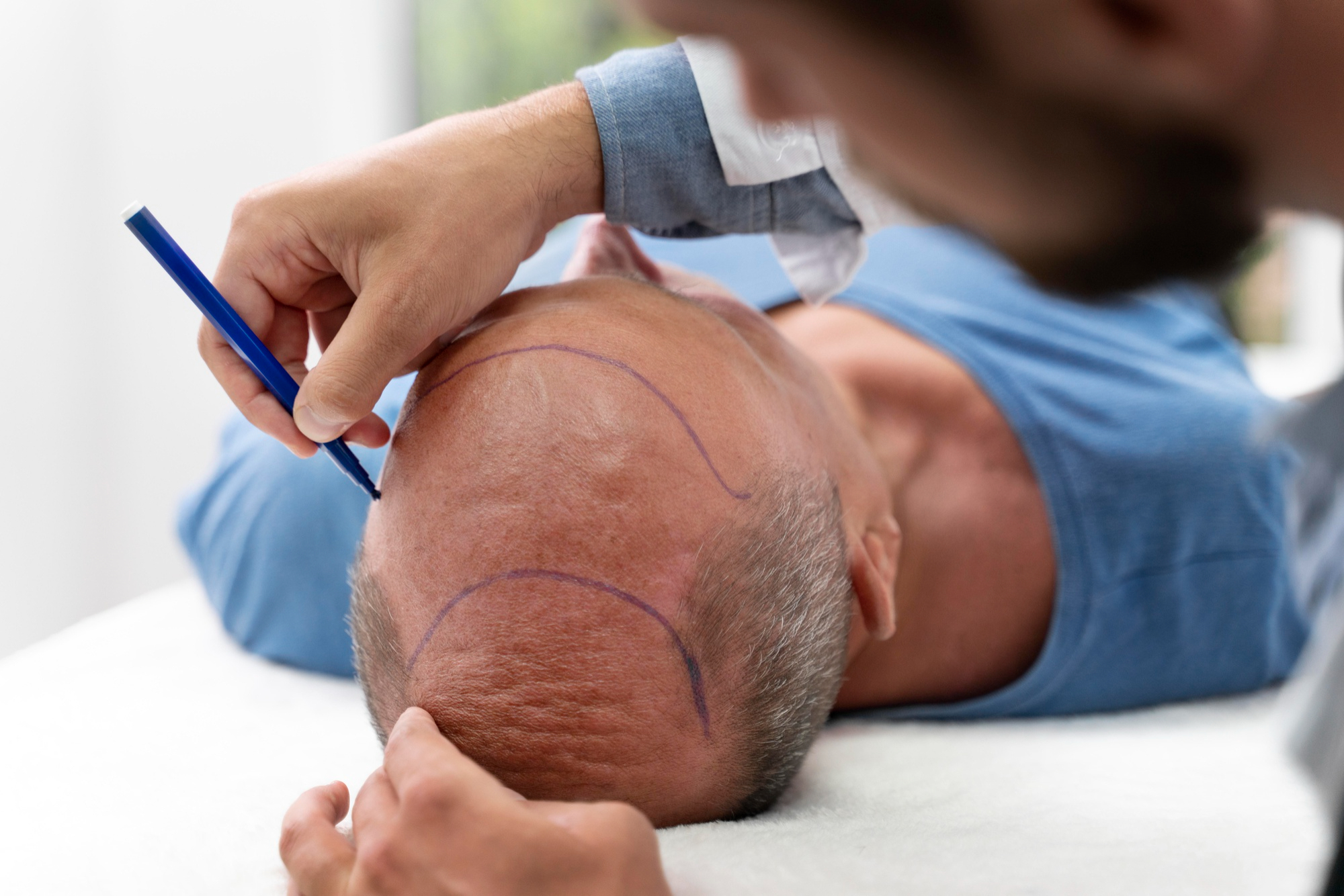
These follicles are carefully extracted using specialised instruments and prepared for transplantation. The surgeon then creates tiny recipient sites in the thinning or bald areas before placing the extracted follicles.
One of the main attractions of FUE is that it does not require removing a strip of scalp. Instead, it leaves numerous small extraction scars that are generally less noticeable than the linear scar associated with FUT.
FUE may be particularly suitable for people who:
- Prefer to wear their hair relatively short.
- Want to avoid a linear donor-area scar.
- Have sufficient healthy donor hair.
- Require restoration of their hairline, crown or other thinning areas.
- Prefer an approach that does not involve stitches in the donor area.
However, FUE is not scar-free. It produces small scars across the donor region, and the suitability of the procedure depends on individual hair characteristics and donor capacity.
What Is an FUT Hair Transplant?
Follicular Unit Transplantation, also called FUT or the strip method, is another established hair restoration technique.
During FUT, the surgeon removes a narrow strip of skin containing healthy hair follicles from the donor area. The strip is then divided into individual follicular units under magnification.
These grafts are subsequently implanted into the areas experiencing hair loss.
The donor area is closed with stitches, leaving a linear scar that is generally concealed by surrounding hair when it is worn at a suitable length.
FUT may be considered for individuals who:
- Need a substantial number of grafts.
- Have suitable donor characteristics.
- Do not mind keeping their hair long enough to conceal a linear scar.
- Want to discuss an alternative to individual follicle extraction.
The technique requires careful surgical planning to minimise tension on the donor area and achieve appropriate healing.
FUE vs FUT: Understanding the Main Differences
Both procedures aim to achieve natural-looking hair restoration, but there are important distinctions.
- Hair follicle extraction
FUE removes individual follicular units, while FUT removes a strip of scalp that is divided into grafts.
- Scarring
FUE leaves multiple small scars across the donor area. FUT leaves one linear scar, which may be more noticeable with very short hairstyles.
- Recovery
Recovery depends on the procedure, the extent of surgery and individual healing. FUE avoids a stitched linear donor wound, whereas FUT requires care of the incision and stitches.
- Donor hair management
Both techniques require careful management of the available donor hair. The best option depends on hair density, scalp characteristics, previous procedures and long-term hair-loss patterns.
- Suitability
Neither technique is automatically better for everyone. A qualified surgeon should assess your circumstances before recommending a procedure.
What Results Can You Expect?
Hair transplantation is a gradual process rather than an immediate transformation.
Following surgery, transplanted hair commonly sheds during the first few weeks. This is a normal part of the hair-growth cycle and does not necessarily mean the grafts have failed.
New growth generally begins to become visible after approximately four months, although
individual timelines vary. More substantial changes develop over subsequent months, with full results commonly taking around 10 to 18 months.
The final appearance depends on several factors, including graft survival, donor hair quality, scalp characteristics and ongoing natural hair loss.
Why Is Professional Consultation Important?
Choosing between FUE and FUT should never be based on popularity alone.
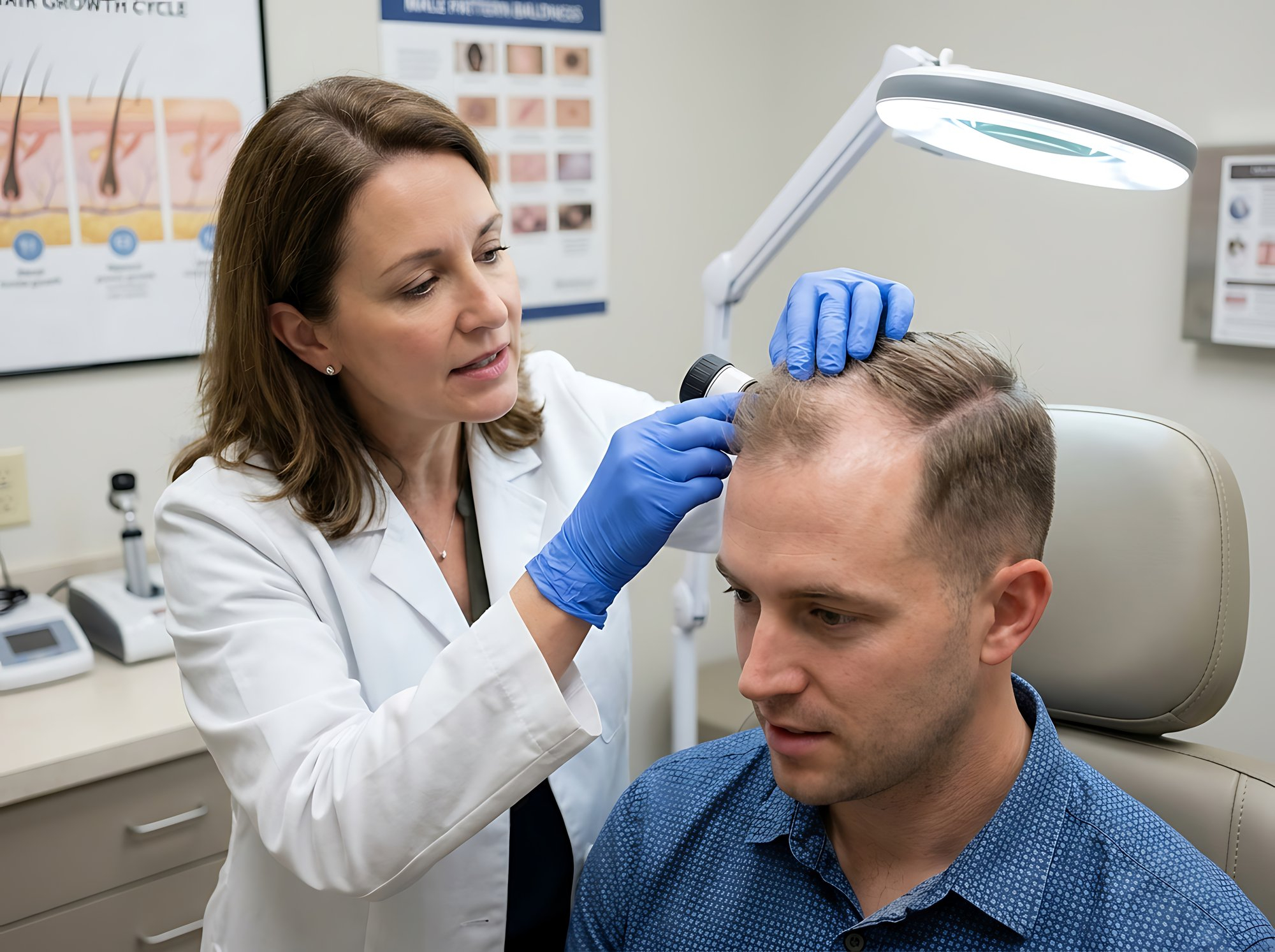
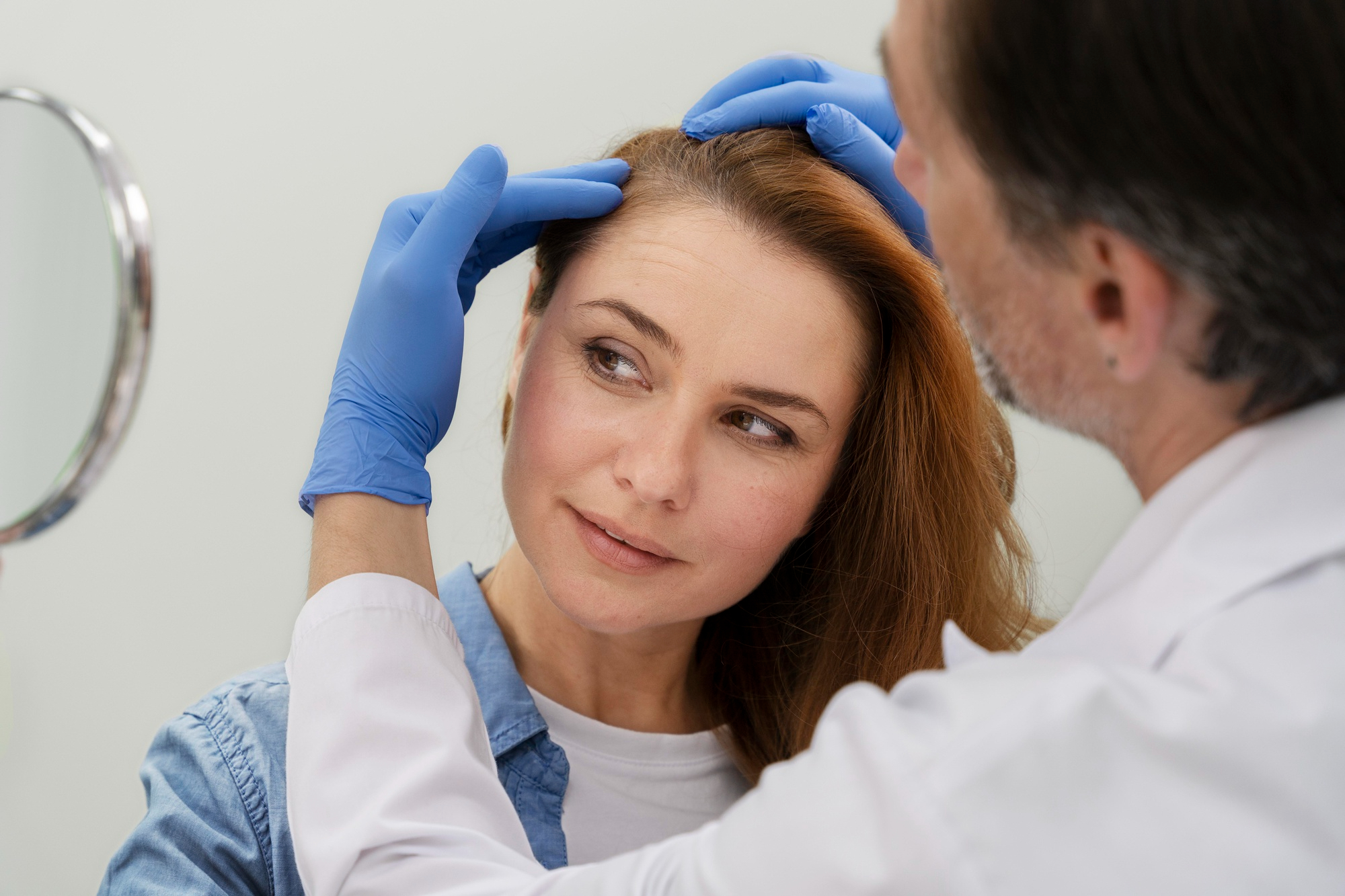
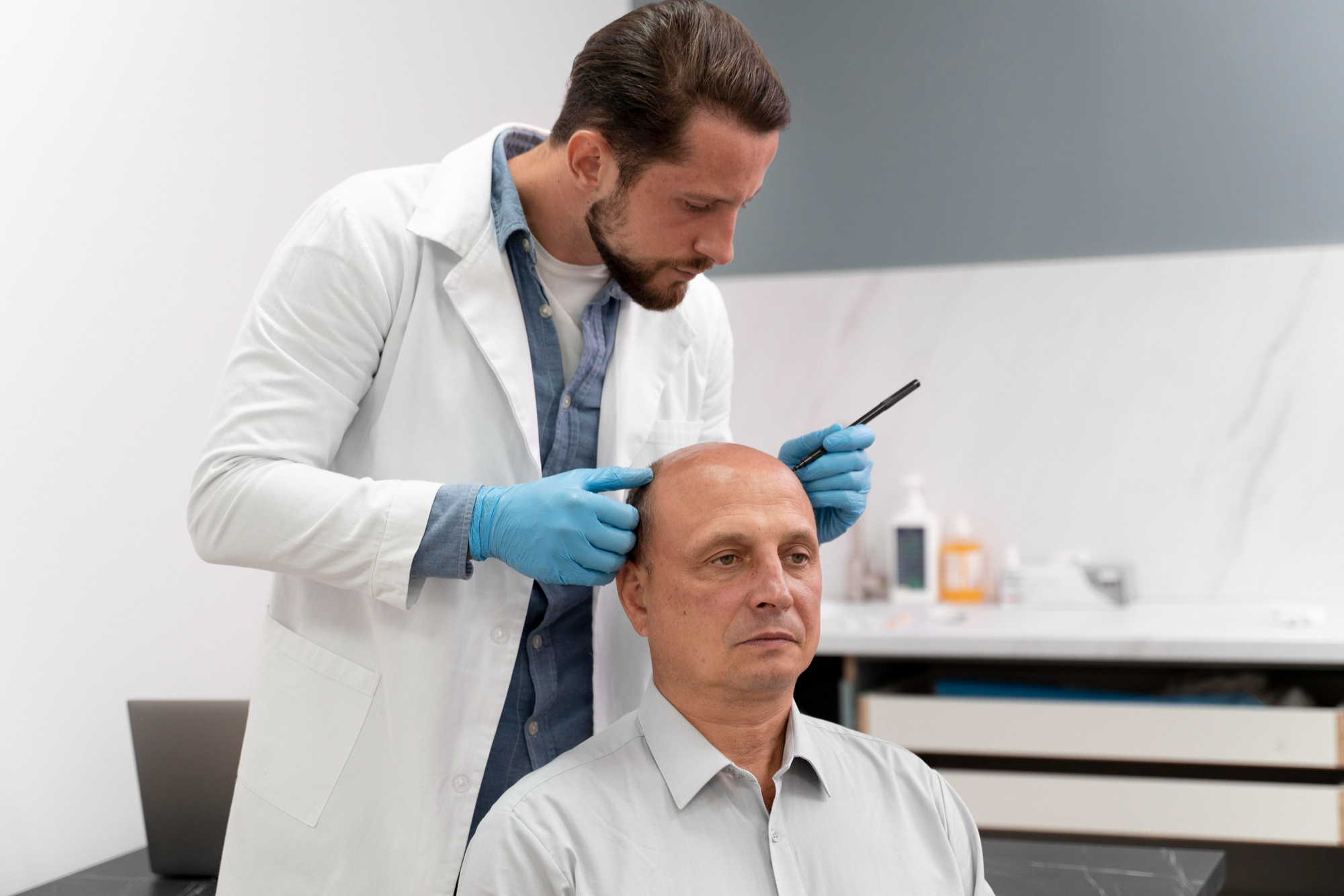
During a consultation, your surgeon should examine your scalp, assess the donor area, understand your hair-loss history and discuss your expectations.
It is also important to consider whether medical treatment could help manage ongoing hair loss before or alongside surgery.
A responsible treatment plan should consider how your hair may change over the coming years rather than focusing exclusively on the areas that are currently thinning.
Choosing Hair Transplant Surgery in Romford, Essex
If you are researching hair restoration options in Romford, Essex, learning about FUE and FUT is an important first step.
The right procedure should complement your natural hair characteristics, available donor supply and long-term restoration goals. A personalised assessment can help establish whether you are suitable for surgery and which approach may offer the most appropriate outcome.
Rather than choosing a procedure based solely on advertising or price, prioritise medical expertise, transparent advice and realistic expectations.
Conclusion
FUE and FUT are both established hair transplantation techniques with different advantages and limitations. FUE involves extracting individual follicles, while FUT uses a strip of donor scalp to prepare grafts. Neither is universally superior.
The best approach is the one that suits your individual hair-loss pattern, donor capacity, lifestyle and expectations. A professional consultation is the most reliable way to explore your hair restoration options.