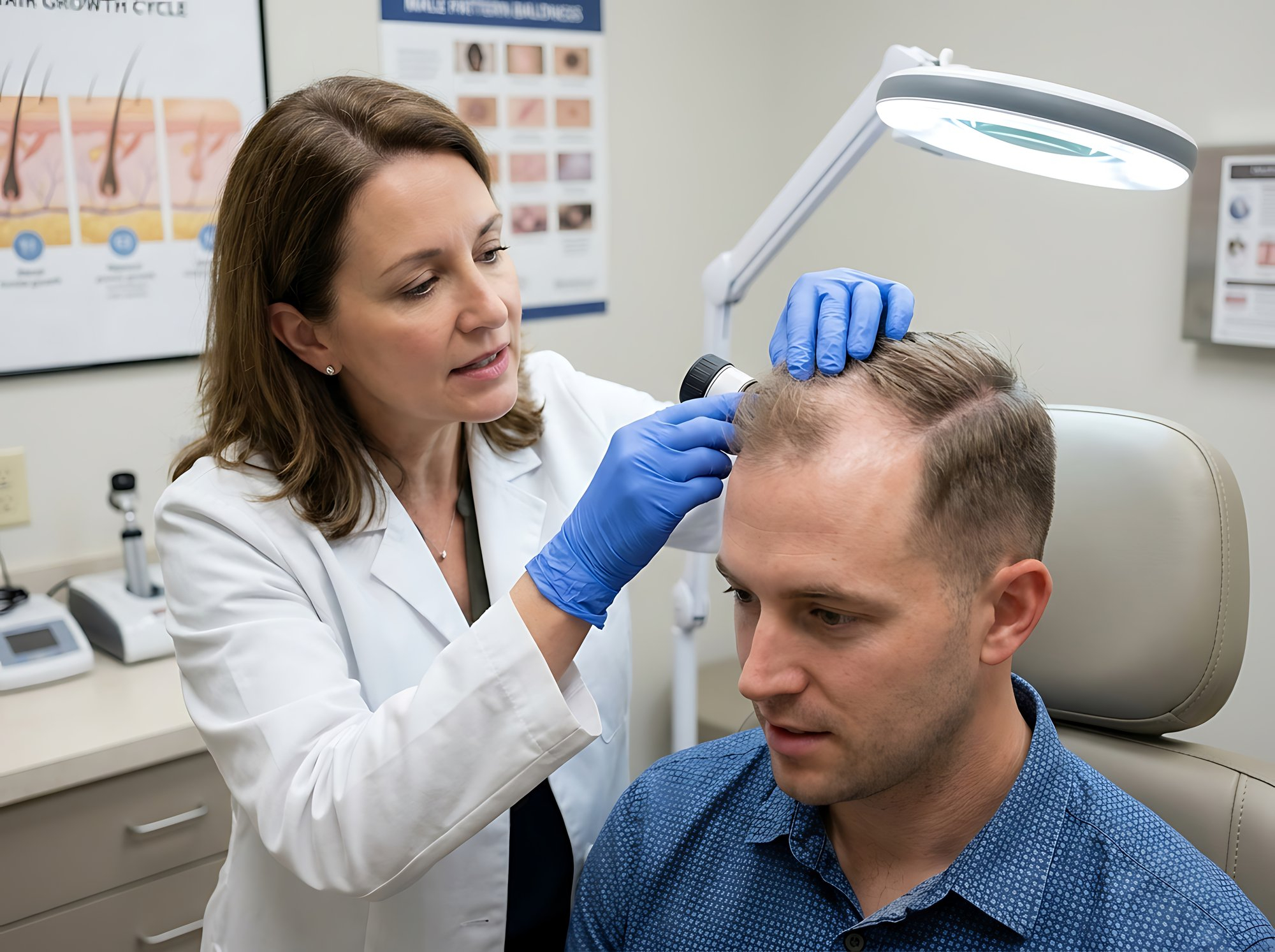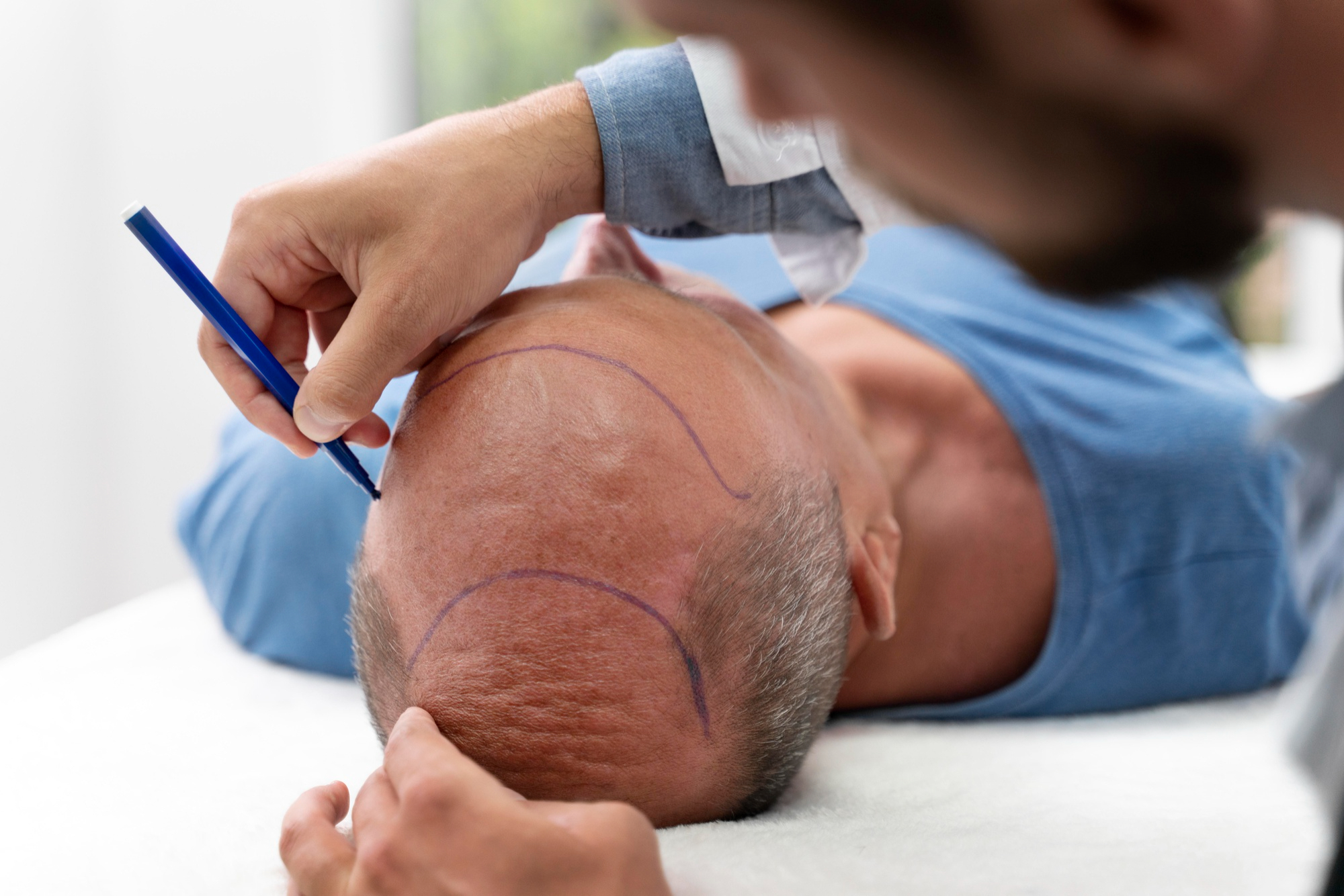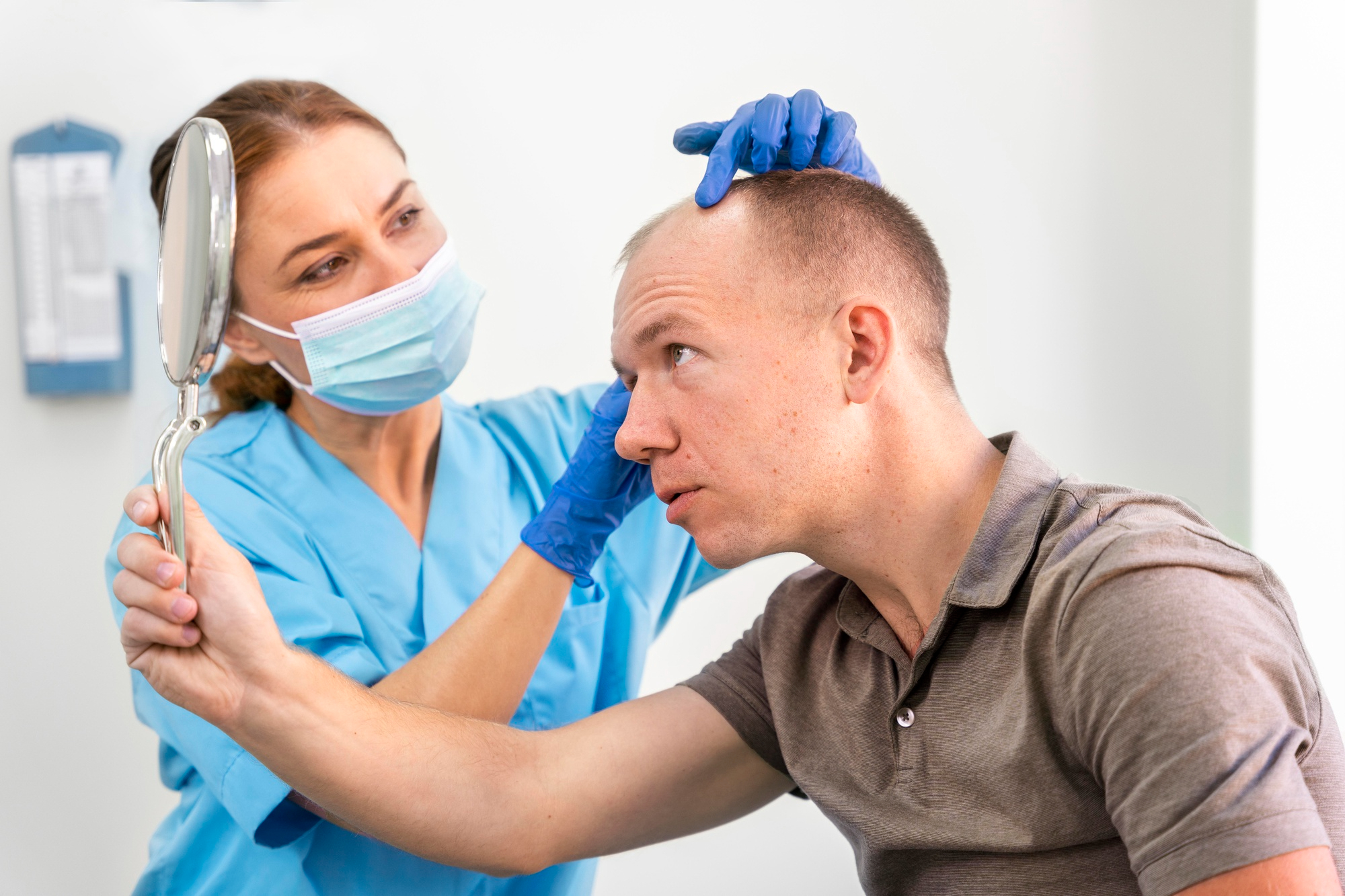
Deciding to undergo a hair transplant is an important step towards addressing permanent hair loss. However, understanding what happens after the procedure is just as important as choosing the right surgical technique.
Many people researching hair transplant surgery in Romford, Essex, want to know how long recovery takes, when they can return to work and how soon they will see new hair growth.
The most important thing to understand is that hair transplantation involves a gradual healing and growth process. Although the procedure itself may take several hours, the final results develop over many months.
Knowing what to expect at each stage can help you prepare properly and follow your surgeon’s aftercare recommendations.
The First 24–48 Hours After Surgery
Immediately following a hair transplant, your scalp may feel sensitive, tight or slightly uncomfortable.
You may notice:
- Mild redness around the transplanted follicles.
- Small scabs forming around the grafts.
- Swelling around the forehead or scalp.
- Minor discomfort in the donor area.
- Temporary tenderness.
These effects are generally expected after surgery, although their severity varies between individuals.
Your clinic should provide specific instructions explaining how to protect the transplanted area, manage discomfort and sleep comfortably.
It is particularly important to avoid rubbing, scratching or applying unnecessary pressure to the grafts during this early stage.
Days 3–7: Initial Healing
During the first week, the scalp continues to recover from the procedure.
Small crusts may become more noticeable around the transplanted follicles. Redness and swelling should gradually improve, although some people experience these symptoms for longer.
Your surgeon will explain when and how to wash your hair.
Gentle cleaning is important because aggressive rubbing, scratching or picking at scabs can disturb healing.
You should also follow guidance about physical activity. Activities that cause excessive sweating, pressure or accidental contact with the scalp may need to be restricted temporarily.
Days 8–14: Protecting the Transplanted Follicles
The second week is another important stage of recovery.
The scalp should generally look less irritated, and scabs will gradually loosen and disappear.
However, the healing process is not complete simply because the scalp looks better.
You should continue following your aftercare instructions and avoid unnecessary manipulation of the transplanted area.
The NHS advises that transplanted grafts need particular care during the first two weeks because they are not initially secure.
Your surgeon may also advise when you can resume normal hair washing, exercise and other everyday activities.
Weeks 2–8: Understanding Shock Loss
One of the most surprising aspects of hair transplant recovery is that transplanted hairs often fall out after surgery.
This is commonly called post-transplant shedding or shock loss.
Although it can be concerning to see the newly transplanted hairs disappear, it is generally an expected part of the process.
The transplanted follicles can remain in the scalp while the visible hair shafts shed. The follicles subsequently enter a growth cycle and begin producing new hair.
Some patients may also experience temporary shedding of nearby existing hair.
It is important to distinguish expected shedding from unusual symptoms. If you notice severe pain, increasing redness, discharge or other concerning changes, contact your medical team.
Months 3–4: Early Hair Growth
Around the third or fourth month, some patients begin noticing new hair growth.
Initially, the new hairs may appear fine, thin or uneven. This is normal because the follicles need time to establish their growth cycles.
You should not expect a complete transformation at this stage.
Hair density and thickness usually develop gradually, and different parts of the scalp may grow at different rates.
Taking photographs under consistent lighting can help you monitor changes without relying entirely on day-to-day visual comparisons.
Months 5–9: Visible Improvements
This is often the stage when hair restoration becomes more noticeable.
New hairs continue to emerge, and existing transplanted hairs may become thicker and stronger.
The hairline may begin to look more defined, while thinning areas may gradually appear fuller.
According to the American Academy of Dermatology, many patients see noticeable results between six and nine months, although some require around 12 months.
Patience remains essential because the growth process varies between individuals.
Months 10–18: Final Results Develop
For many patients, the majority of visible improvement becomes apparent during this period.
The transplanted hair continues maturing, and its appearance becomes easier to assess.
Your surgeon may arrange follow-up appointments to review growth, discuss satisfaction and identify whether any additional treatment is appropriate.
It is important to remember that transplanted hair does not prevent surrounding natural hair from thinning. Some patients may benefit from ongoing medical management to help preserve their existing hair.
Tips for Supporting Recovery
Following your surgeon’s instructions is the most important part of recovery.
Some useful general considerations include:
- Follow the recommended washing routine.
- Avoid scratching or picking at the scalp.
- Sleep in the position recommended by your clinic.
- Avoid strenuous exercise until medically cleared.
- Protect the scalp from excessive sun exposure.
- Avoid smoking if advised by your medical team.
- Attend scheduled follow-up appointments.
- Contact your clinic if unexpected symptoms develop.
Avoid experimenting with hair products or supplements during recovery without checking with your surgeon.
When Can You Return to Work?
Return-to-work times depend on the procedure, your occupation and how quickly your scalp heals.
People working in office-based roles may return relatively quickly, while those performing physically demanding jobs may require additional time.
The NHS notes that some patients may need one to two weeks away from work following a hair transplant.
Your surgeon should provide advice based on your individual circumstances.
Conclusion
Hair transplant recovery is a gradual process involving initial healing, temporary shedding and eventual new growth.
Although the first two weeks require particular care, the most noticeable changes often develop between six and twelve months, with some patients continuing to improve for up to 18 months.
If you are considering hair transplant surgery in Romford, Essex, understanding the recovery timeline can help you approach treatment with realistic expectations.
The key to a positive experience is choosing an appropriately qualified surgical team, following professional aftercare advice and allowing sufficient time for natural hair growth to develop.