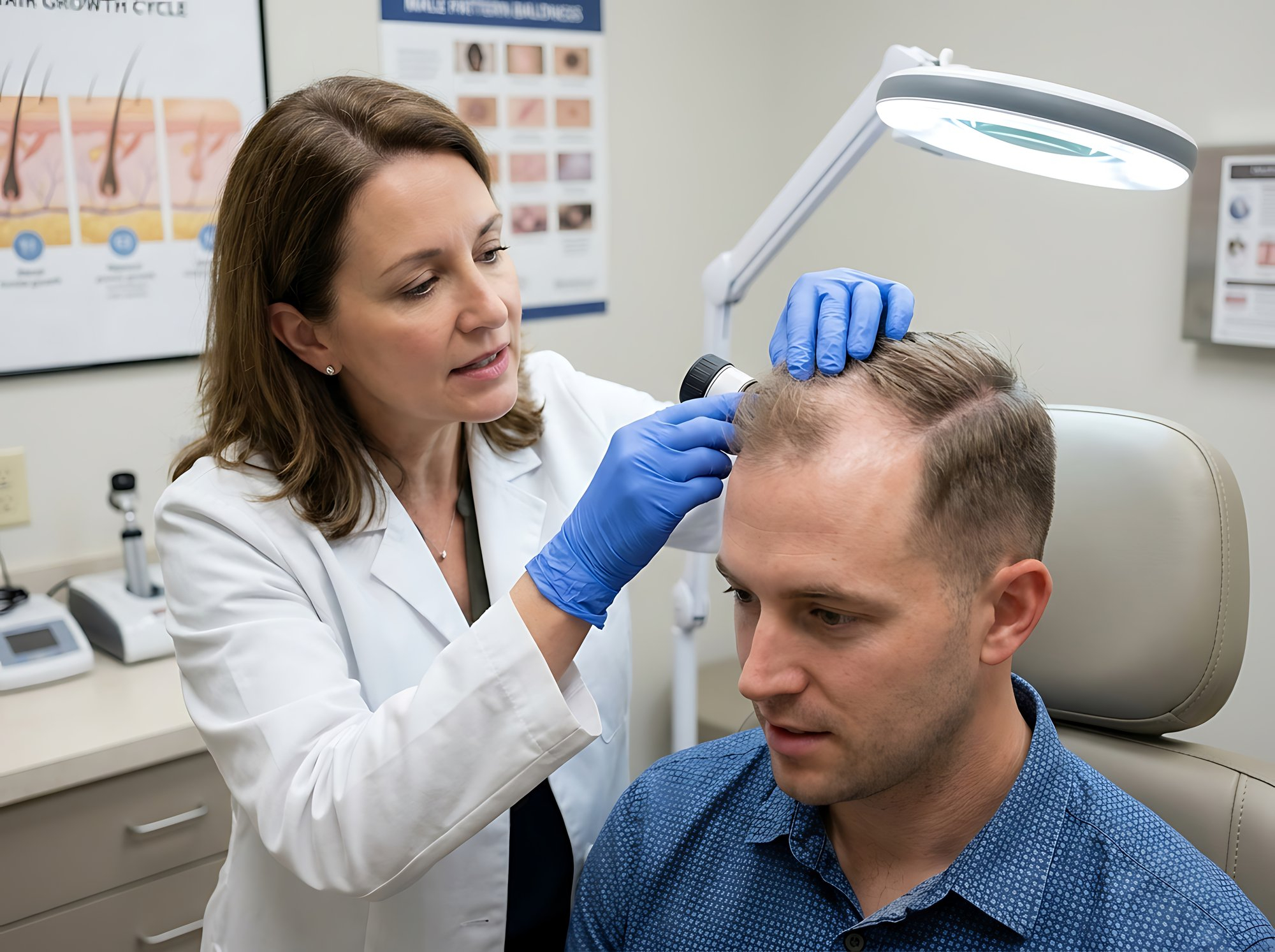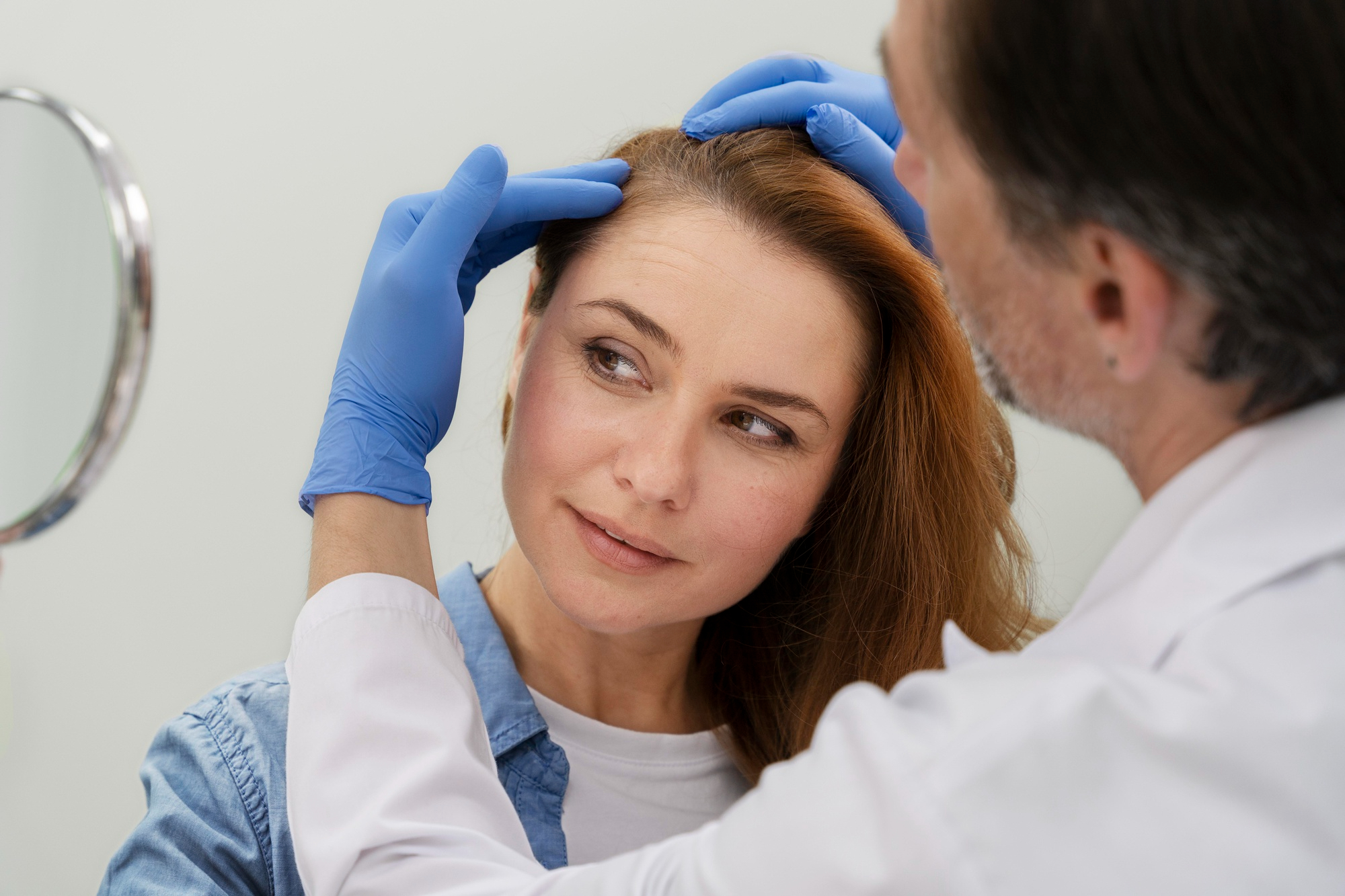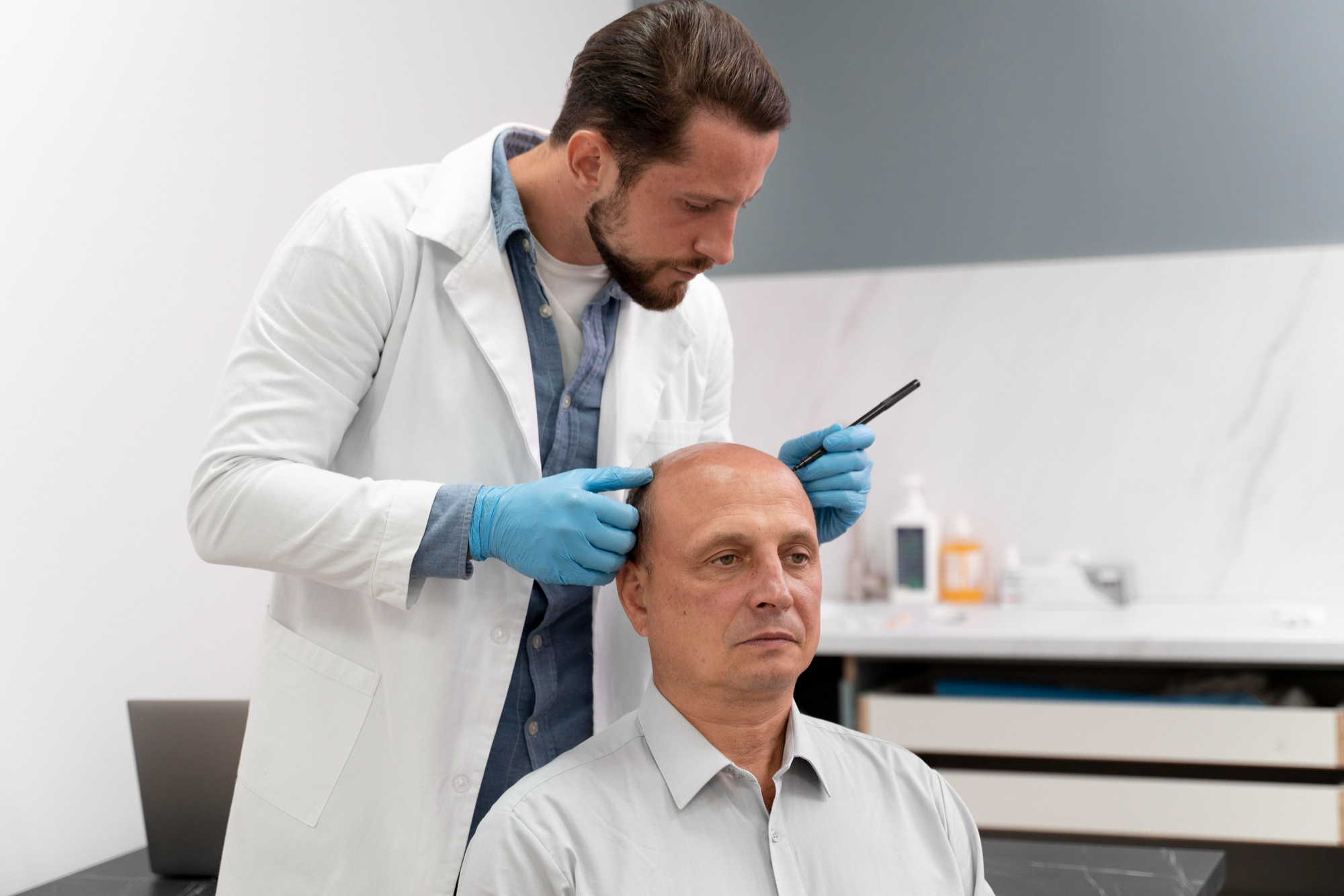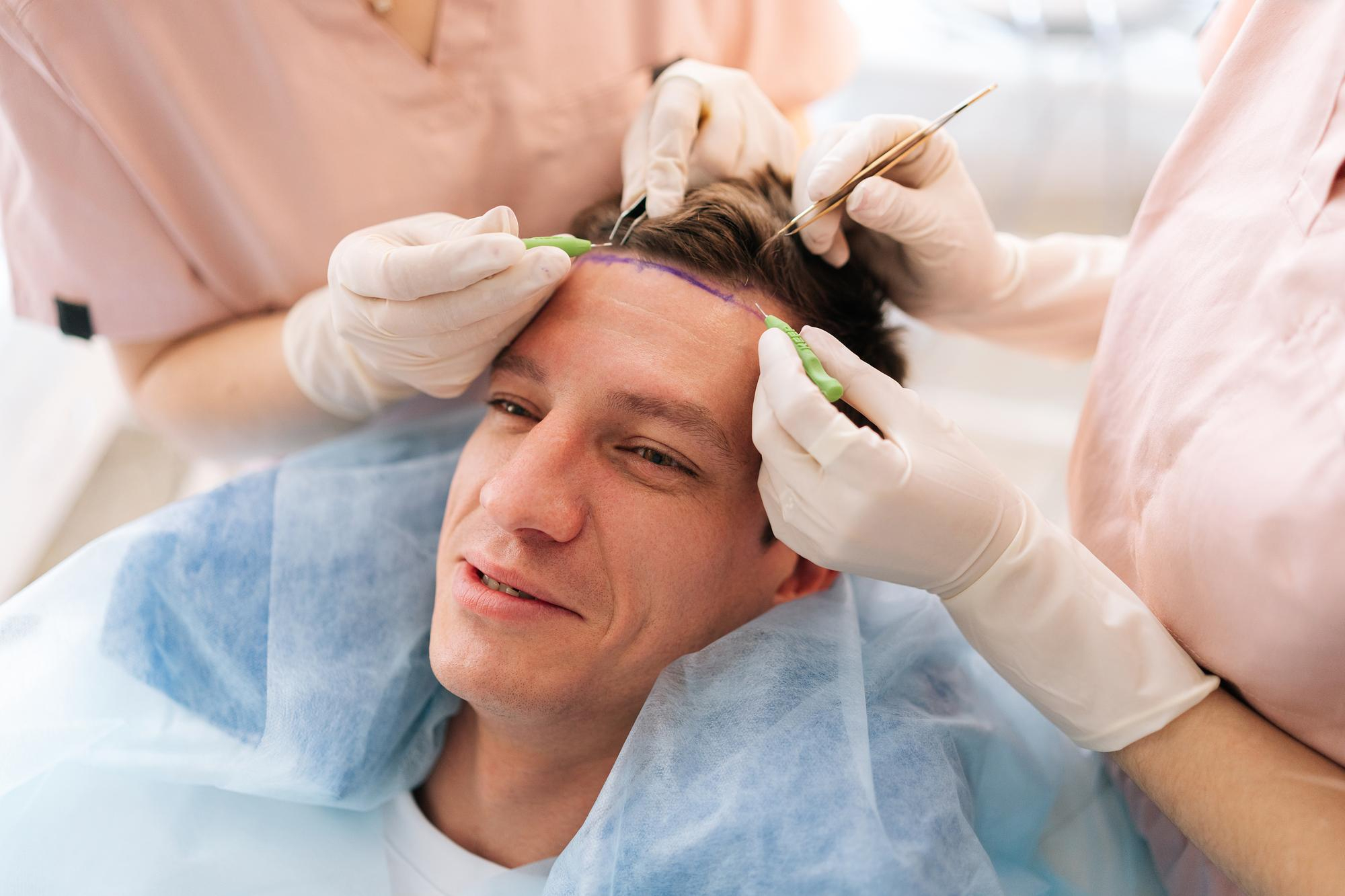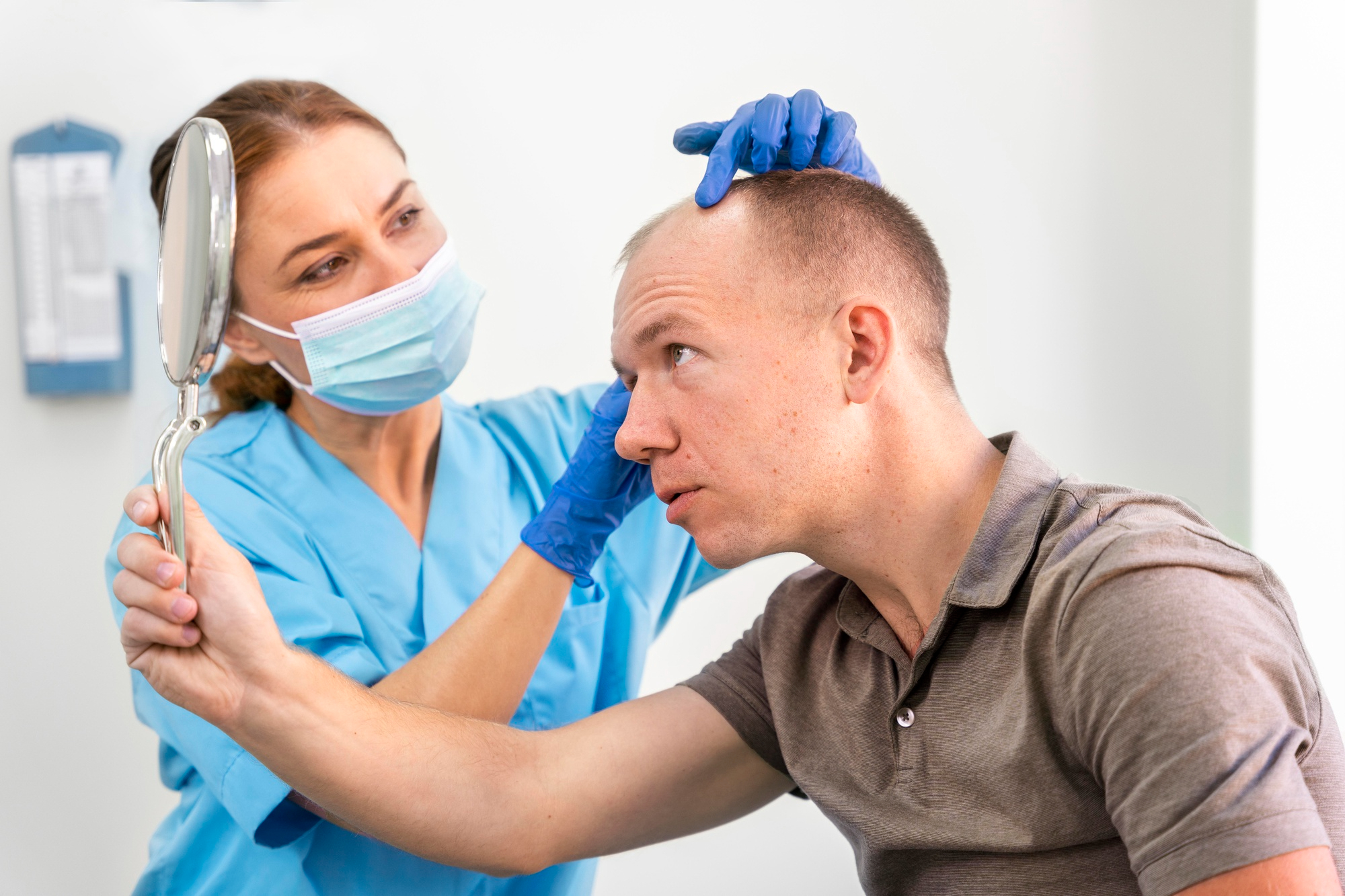
When considering a hair transplant, one of the biggest concerns people have is whether the results will look natural.
Modern hair restoration techniques have advanced significantly, allowing surgeons to recreate hairlines and improve density using carefully selected follicular units. However, achieving a natural appearance involves much more than simply placing hair into thinning areas.
Hairline design, graft placement, hair direction, donor hair quality and long-term planning all play important roles.
For individuals researching hair transplant surgery in Romford, Essex, understanding these factors can help explain what separates a carefully planned procedure from one that produces an artificial appearance.
Why Is Hairline Design So Important?
The hairline is one of the most noticeable features of the face.
It frames the forehead, influences facial proportions and contributes to an individual’s overall appearance.
An excessively low, straight or densely packed hairline can look unnatural, particularly as a person gets older and their surrounding hair continues to change.
A well-designed hairline should complement the patient’s facial structure, age, existing hair characteristics and likely future hair-loss pattern.
There is no single hairline design that suits everyone.
For example, a younger patient may have different restoration requirements from someone experiencing more advanced hair loss.
Understanding Facial Proportions
A surgeon must consider the overall shape of the face when planning a new hairline.
Important factors include:
- Forehead height.
- Facial width and proportions.
- Temple recession.
- Existing hairline shape.
- Age and facial structure.
- Natural hair direction.
The objective is not necessarily to recreate the hairline someone had during their teenage years.
Instead, the aim should be to develop a design that looks appropriate, balanced and sustainable over time.
The Importance of Single-Hair Grafts
Natural hair does not grow in uniform groups.
Individual follicular units may contain one, two, three or occasionally more hairs.
The distribution of these units plays an important role in achieving a realistic appearance.
Single-hair grafts are commonly used towards the front of the hairline because they can create a softer transition between the forehead and denser hair behind it.
Multi-hair grafts may be used further back where additional density is required.
This approach helps recreate the natural variation seen in untreated hair.
Hair Direction and Angles Matter
Hair grows in specific directions and angles depending on its location on the scalp.
The frontal hairline, temples, mid-scalp and crown all have different growth patterns.
If transplanted follicles are positioned at inappropriate angles, the hair may grow in an unnatural direction.
Careful planning considers:
Frontal hairline: Hair should generally transition gradually from the forehead into the denser areas behind it.
Temples: These areas require particular attention because their shape influences the overall appearance of the hairline.
Mid-scalp: Graft placement should complement existing hair direction and density.
Crown: The crown often has a natural whorl or spiral pattern that requires careful consideration.
The surgeon’s understanding of scalp anatomy and hair-growth patterns is essential to appropriate placement.
Choosing the Right Hair Transplant Technique
Both FUE and FUT can be used to harvest follicular units for hair restoration.
FUE involves extracting individual follicular units from the donor area, whereas FUT involves removing a strip of scalp and separating the follicles for transplantation.
The choice depends on donor characteristics, the number of grafts required, hairstyle preferences and surgical considerations.
Neither method automatically guarantees a more natural-looking result.
The planning and execution of the procedure are fundamental.
Managing Hair Density and Donor Supply
Many people assume that a successful transplant means placing as many grafts as possible into the recipient area.
However, donor hair is limited.
The surgeon must balance the desired coverage with the amount of healthy hair available for transplantation.
Using too much donor hair during an early procedure can reduce the options available if additional hair loss develops in the future.
A thoughtful approach may involve prioritising visible areas, such as the frontal hairline, while maintaining enough donor capacity for future needs.
The aim is to create an improvement that remains appropriate as the patient’s natural hair changes.
Why Hair Loss Progression Must Be Considered
Hair transplantation does not stop hereditary hair loss in untreated areas.
This means the surrounding natural hair may continue thinning even after the transplanted follicles have grown.
For example, a patient may restore their frontal hairline but later experience thinning behind it.
Without proper planning, this can create an isolated band of transplanted hair.
A long-term restoration plan should consider future hair loss and whether medical treatments may help preserve existing hair.
The American Academy of Dermatology explains that ongoing treatment may help slow further thinning and maintain the appearance of transplant results.
American Academy of Dermatology
+1
What Should You Discuss During a Consultation?
Before proceeding with a hair transplant, ask your surgeon about:
- How your proposed hairline will suit your facial features.
- How many grafts may be required.
- Whether your donor area can support the proposed procedure.
- How future hair loss will be considered.
- What density is realistically achievable.
- How the procedure will affect your donor area.
- What follow-up care will be provided.
You should also ask to see genuine, appropriately documented patient photographs, with an understanding that individual results vary.
The Importance of Choosing an Experienced Surgical Team
Hair transplantation is a surgical procedure that requires appropriate medical knowledge and technical expertise.
The surgeon should be responsible for the medical assessment, treatment planning and critical surgical steps.
The International Society of Hair Restoration Surgery encourages patients to investigate the qualifications and responsibilities of the professionals involved in their treatment.
Patients should be given clear information about who will perform each part of the procedure.
Conclusion
Natural-looking hair transplant results depend on careful planning rather than simply the number of grafts transplanted.
A suitable hairline, correct graft selection, natural growth directions and responsible donor management all contribute to an aesthetically balanced outcome.
If you are considering hair restoration in Romford, Essex, discuss your expectations with a qualified surgeon who can assess your individual characteristics and explain a realistic long-term treatment plan.
The goal should always be hair restoration that complements your natural appearance, rather than a result that looks artificially created.